Trinity’s Hip Hop Legacy
Renowned international festival marks 20 years
By Andrew J. Concatelli
“There was a unique moment and opportunity at Trinity.”
So says Magee McIlvaine ’06 about the time—approximately 20 years ago—when the Trinity International Hip Hop Festival was started by students to bring together the Trinity College and Hartford communities to celebrate different cultures through music, dance, visual arts, and academics.
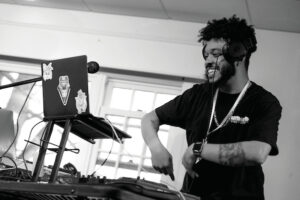
McIlvaine, who co-founded the festival with Jason Azevedo ’08 when they were undergraduates, says he noticed a disconnect between the city and the campus but saw hip hop as a common language. “It was a vibrant time for hip hop regionally,” he says. “Everybody that I knew that was my age in Hartford was listening to hip hop.”
McIlvaine and Azevedo worked with Ben Herson of event production company Nomadic Wax to book international acts for an initial, smaller-scale concert held in fall 2005 at the Underground Coffeehouse in the basement of Mather Hall. Emboldened by that successful experience, the organizers wanted to make their next concert even bigger.
They added an academic conference to the April 2006 concert, which expanded to become the first Trinity International Hip Hop Festival—a three-day event supported by student volunteers and funding from departments and offices across campus. “It built very rapidly; everyone was excited, everyone had helpful advice,” says McIlvaine. “I think there was a value in being so young, in that we didn’t know all the work something like this would entail. We didn’t put any limits on ourselves.”
From the beginning, the festival has been free and open to the public. Azevedo says they were proud to create a new social space for self-expression. “There was a hole in the community for more hip hop events at the time, and we brought our creativity and passion to the task,” he says. “We never could have predicted it would have such a legacy.”
Two decades later, hip hop remains front and center, with four students leading the 2026 iteration of the long-running festival. The April 2026 event—“Voice of Freedom: Resistance, Justice, and Revolution”—featured photo exhibits on global hip hop in Hartford, dance workshops, interdisciplinary panel discussions and lectures, a graffiti showcase, a film screening, dance cyphers, and more.
Global Reach
According to the Rock & Roll Hall of Fame, the hip hop genre traces its roots to a 1973 party in the Bronx, New York, where DJ Kool Herc’s technique of using two turntables to mix and scratch records heralded a new era of music. In the more than 50 years since, the hip hop genre and culture have proliferated throughout the world.
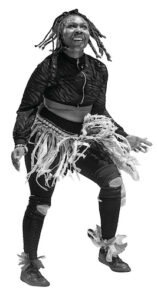
“Whether it’s music, dancing, visual arts, or DJing, hip hop creates avenues for storytelling and connecting with others,” Azevedo says. “It’s both a uniquely American artform and a global phenomenon.”
McIlvaine, who grew up in Washington, D.C., the Democratic Republic of the Congo, Tanzania, Kenya, and Zambia, says, “Hip hop always spoke to me directly as a bridge between people, as a community of similar people.” He notes that it was important to him for a truly global, inclusive hip hop festival to feature international artists sharing their own voices and languages.
Approximately 60 countries have been represented throughout the years at the festival, which addresses hip hop’s connections to global social justice, activism, and human rights issues through films, panels, and lectures. The festival also typically features breakdance battles, rapping and MCing, graffiti art, DJing, beatboxing, art exhibitions, and instructional workshops, culminating with a main concert featuring performances by high-profile headliners.
Student Leadership
The festival is organized each year by students who are members of Trinity’s chapter of the Temple of Hip Hop, a national cultural association dedicated to the ideals of peace, love, unity, and safely having fun. Formed soon after the first festival in 2006, the student organization is recognized by Trinity’s Student Government Association and funded by sources across the College. The festival also has received external funding from the Greater Hartford Arts Council and the New England Foundation for the Arts.
“The student leaders who organize and run the festival are dedicated to making a space for everyone,” says Associate Professor of History and International Studies Seth M. Markle, who has been Temple of Hip Hop’s adviser since 2011. “It’s a lot of work to organize a multiday international festival and to raise additional funds to support it. The success of the festival over the last 20 years all comes down to the students and what they put into it.”
Zee Santiago ’09, M’12, who founded Trinity’s Temple of Hip Hop chapter with Katie McGuigan ’09, says that the festival is more than just an event to its student organizers. “It became our classroom, our senior seminar where we built skills in project management, marketing, fundraising, and organizational leadership,” he says. “We brought together artists, scholars, and community members to explore hip hop as both an art form and a social movement, while forging lasting connections between Trinity and Hartford.”
Aleema Kelly ’26, this year’s lead organizer, and Eddy Fernandes ’27, Beckett Hennessey ’26, and Kimberly Tepan ’28, co-lead organizers, worked within the Temple of Hip Hop to plan the 20th anniversary event. “Organizing the festival gives students the opportunity to be a part of an international community that is so rewarding in the genuine connections that are made,” Hennessey says. “By attending the festival, you are able to witness immense talent and have a great time in an extremely positive and welcoming environment.”
Kelly notes, “This has been one of the most challenging yet rewarding feats I’ve taken on in my college career. It is a labor of love and community that brings together Temple members to put on an event that is incredibly unique. We typically host around 30 artists each year, spread across seven showcases, and it allows students to connect with people from international, national, and local backgrounds.”
Trinity Ties
Those connections are what keeps the festival going, according to Markle. “Trinity’s festival has been a platform for local artistic development for 20 years, featuring Hartford artists of all ages,” he says.
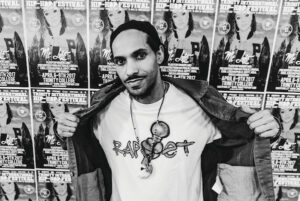
Khaiim Kelly ’03, P’26 (a.k.a. Khaiim the RapOet) is a local performer and Hartford’s inaugural troubadour. He served as a mentor to McIlvaine and has continued to perform, MC, and host workshops and lectures throughout the festival’s existence. “It’s a way to highlight the beautiful culture in Hartford and its place in the history of hip hop,” says Kelly, who also is Aleema Kelly’s father. “A major part of the legacy of the festival is highlighting what an amazing place Hartford is. A lot of Hartford residents know the festival and know they’re welcome there.”
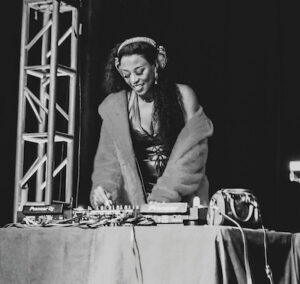
Jasmin Agosto ’10 served as lead organizer of the festival as a student and stays involved as a community partner, mentoring Temple of Hip Hop members and focusing on the festival’s work with Youth for Change, a partnership she created with the City of Hartford to bring hip hop workshops to teens in Hartford.
“The festival was and is a primary time when Hartford neighbors, artists, and families come to campus and experience Trinity,” Agosto says. “Last year, when we decentralized the festival and brought much of it off campus, it reached many corners of the city and centered downtown in a way that encouraged even more community members to engage with the festival. There’s a real intimacy that can happen between folks who may not otherwise be in the same room together.”
Markle adds that the festival’s use of venues around Hartford in 2025 was designed to expand its reach. “We wanted to try something new and to show appreciation for the Hartford community that comes out to the festival,” he says, adding that the 2026 festival aimed to “achieve a greater balance, with events both on Trinity’s campus and in the city.”
Beyond the Music
Markle also notes that the goals of the festival go beyond entertainment. “A lot of the programming that we do is academic programming—like lectures and panel discussions—and that part is really important,” he says. “This is one of the rare international festivals of its kind in the United States, and it’s something that Trinity is known for. There are academic articles referencing it, showing the legitimacy the festival has achieved over 20 years.”
Trinity students can study hip hop academically, too. “Within the International Studies Program,” Markle says, “students can concentrate in global studies and may choose classes like ‘Global Hip Hop Cultures.’ ” Additional Trinity courses featuring hip hop include those offered by the Human Rights Studies Program and the Departments of American Studies, Music, and Theater and Dance. Students have pursued research projects, independent studies, and international cultural programs related to hip hop. A new sociology course, aptly named “Sociology of Hip Hop,” was offered in spring 2026.
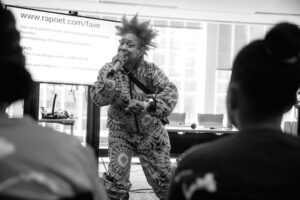
Hip hop also can help people learn about themselves and others, according to Haben Abraham, LCSW, ’10, director of Trinity’s Counseling and Wellness Center, who has been a student organizer and a performer at the festival. “[Freestyle] cyphers that happen in hip hop are really therapy sessions. There’s problem-solving and reading the room, and there’s a lot of mindfulness involved in the artform itself,” she says.
Abraham, moderator of a 2025 festival panel called “How Hip Hop Saved My Life,” says she has experienced personal growth through hip hop. “I was more on the shy side and was selectively mute as a child, and music was a way to find my voice and find confidence,” she says. “That was absolutely a part of my healing.
“There’s beautiful intergenerational dialogue and healing that takes place at the festival when you bring together the youth and people who have been doing this for 50 years, since hip hop started,” Abraham adds. “It’s important to keep student leadership as part of this process.”
Indelible Impact
Santiago says he is inspired to see the festival continue to evolve after two decades. “What began as a student-led vision has become an international celebration of hip hop’s power to connect people, challenge stereotypes, and uplift communities,” he says. “I’m proud to have played a role in its foundation, grateful to the faculty, administration, and community partners who supported us and even prouder to see new generations of students carrying it forward.”
Markle notes that the future of the festival depends on the next organizers showing the same passion as the alumni who created it. “I’m very hopeful that we’re going to continue this festival as long as we have all the stakeholders invested in it, from the community, to the students, to the College,” he says.
Azevedo believes the legacy of the festival is the wide-ranging impact that its founders couldn’t have imagined. “We planted a seed, and it’s grown into something more,” he says. “Ultimately, the festival created a space for expression, community, and learning—a space not exclusive to Trinity but open to Hartford and the world.”
Temple Student Organizers
- Cole Alleyne ’27 (organizer)
- Sydney Carberry ’27 (social media organizer)
- Joshua Curry ’28 (organizer)
- Eddy Fernandes ’27 (co-lead organizer)
- Beckett Hennessey ’26 (co-lead organizer)
- Dayanna Hernandez Becerra ’27 (organizer)
- Aniyanh Jacques ’28 (organizer)
- Aleema Kelly ’26 (lead organizer)
- Nola Marchese ’28 (MAC liaison)
- Karyme Nevarez ’27 (organizer)
- Andreia Soares ’27 (communications lead)
- Kimberly Tepan ’28 (co-lead organizer)
- Chris Williams ’26 (organizer)
Star-Studded LineupThe festival has attracted top hip hop personalities from across the world. See below for a sampling of participants, with the years they visited Trinity.
|
More Thoughts on the Festival
Haben Abraham ’10
Major: International Studies: Global Studies; Minors: Spanish Language and Community Action
Occupation: Director, Trinity College Counseling and Wellness Center
“My work in student wellness and mental health is certainly informed by and definitely became an interest of mine because of my experience with hip hop—not just as an art form but through the elements of hip hop, like knowledge and the raising of social consciousness. As a student at Trinity, I combined arts and activism through music, addressing global issues with youth. Now I connect with the festival’s student leaders and serve as a mentor on the sidelines. I’ve supported hip hop as a healing tool in particular because it’s done so much for me in my life and my work. I think hip hop really led me to become a healer. Elements of hip hop speak to narrative therapy, driving an understanding of who gets to tell your story. That is what hip hop teaches, and it’s also what therapy teaches.”
Jasmin Agosto ’10
Majors: Educational Studies and American Studies; Minor: Community Action
Occupation: Programs and exhibitions manager for NXTHVN
“As a senior in high school, I attended the first Trinity International Hip Hop Festival. In my first year at Trinity, I was a founding Temple of Hip Hop member and was focused on getting local Hartford artists and community members involved. I did everything from stage management support to programming curation and artist hospitality. By my senior year, I was the lead organizer of the Fifth Annual Trinity International Hip Hop Festival. Being part of Temple and working on the festival while I studied at Trinity informed the way I saw the world—my critical lens, deepening the politics of education and American studies.
“Being a student organizer and later a community partner of the festival has shaped my career as a cultural producer, convener, curator, programming developer/executioner because I learned early on the tools of organizing. Students can carry skills of creative problem-solving, program development, relationship and community building, as well as learning life-work balance throughout their careers no matter what field they end up in. Trinity student attendees’ minds will be blown by connecting to stories around the world, people in their backyard, and a rich, textured cultural experience they may not experience by just having an academic and social life that remains centered on campus.”
Jason Azevedo ’08
Major: History; Minor: Portuguese
Occupation: Foreign Service Officer with the U.S. State Department
“Hip hop and my work on the festival directly connect with my work today as a diplomat. Planning the festival was the first time I worked on a major project with hundreds of moving pieces that involved bringing people together to work toward a common goal. In many ways, diplomacy is about the same thing: building, negotiating, and identifying and working toward common goals.
“Involvement in the festival as a student is a great opportunity to meet new people, build organizational skills, stoke curiosity, and work on something bigger than yourself. There’s so much to gain from attending. Whether it’s hearing new music or learning something new at a lecture, the festival is both a celebration of creativity and a platform for connecting Trinity with the Hartford community.”
Beckett Hennessey ’26
Major: International Studies; Minor: Hispanic Studies
“I took a course titled ‘Global Hip Hop Cultures,’ taught by Professor Markle, where I was able to further expand my understanding of how hip hop goes beyond music and has become an international, political, and social movement. As I have become more involved in the Temple of Hip Hop at Trinity, I have also developed a strong connection with the overall culture of hip hop, especially within Hartford.
“The festival gives students at Trinity the opportunity to create a greater emotional connection to the Hartford community through the shared experience of the enjoyment of hip hop. This connection is only enhanced as international performers are featured at the festival, giving credence to the fact that hip hop goes beyond borders, languages, and cultures and can be a truly unifying art and way of life. While the main goal of Temple of Hip Hop is the organization of the festival at the end of the school year, there are so many more events that take place throughout the year and there are plenty of opportunities for students to be involved in the club to help create a greater community of hip hop enthusiasts within Trinity College.”
Aleema Kelly ’26
Major: Public Policy and Law; Minor: Economics
“Throughout my childhood, hip hop has been an integral part of my life. It serves as a form of expression and community. Socially, the Temple of Hip Hop at Trinity has been a space where hard work, true friendship, and family are fostered. From attending the festival as a kid to now, it is incredible to see the expansive network that this community has created over time. The festival brings together hip hop artists, educators, and community members from around the world to Trinity’s campus to have students learn and immerse themselves in all of the elements of hip hop. It is a global platform for building networks and future artistic collaboration and truly does promote intercultural understanding by engaging everyone, regardless of ability or background.
“Hip hop has been an unexpectedly large part of my academic career at Trinity. My first-year seminar course was ‘Archiving Hip Hop,’ which focused on studying hip hop pioneers who created hip hop not only as a genre but as an international cultural movement. Along with other Temple members, I hosted a radio show at the WRTC radio station that was tied to an independent study course that covered a variety of subgenres and brought on various guest speakers. Hip hop has been a lens that I can use to examine history and our current society, and it even allowed me to travel to Japan through the Technos International College program, where I encountered Japanese hip hop.”
Khaiim Kelly ’03, P’26, a.k.a. Khaiim the RapOet
Major: Computer Science
Occupation: Hip Hop Performer
“[As the festival was being created,] I loved the idea that someone was appreciating and introducing people to hip hop. I’m there for Temple for whatever they need. The festival is an amazing nonviolent creative outlet, and I want to bring in the city of Hartford as much as I can. I just grow more and more aware of how brilliant hip hop is in dealing with our world problems in a very unassuming, non-self-righteous way.
“It’s beautiful—there’s a generation of people who grew up with this festival. I meet people every year who come to Trinity because of [it]. They don’t enroll just to be in the festival, but they see it as a place that values community and the deeper principles of hip hop. Now my daughter is a student leader, and I know it’s so important to accentuate the voices of the younger students and help them realize their ideas.”
Magee McIlvaine ’06
Major: International Studies: African Studies; Minor: Film Studies
Occupation: Freelance Film Editor
“Working on the festival as a student was an incredibly empowering experience. Without a doubt, it was very difficult and time consuming. You are responsible for running a large-scale, professional, multiday event, but you are a full-time student with no professional event organizing experience. But it’s those same challenges that made the experience so empowering, so impactful. After accomplishing that in 2006, I felt like I could do anything. The professional postcollege world was not intimidating. [The festival] prepared me for many of the life experiences I’ve had since. It also, in part, gave me the confidence—not to mention some of the practical skills—to pursue a nontraditional career path in the arts.
“I’ve been back to the festival every few years, and I’ve found it very moving to see something take on a life of its own and go places I never could have expected. It’s a profoundly humbling experience, and I am in awe of all the students who have worked tirelessly year in and year out, class after class, generation after generation, to keep the festival alive. I love how the festival itself is a living thing, adapting and molding to the wants and needs of each year’s student organizers and their community.”
Zee Santiago ’09, M’12
Major: Anthropology; Master’s Degree: American Studies
Occupation: Deputy Chief of Staff to the Chief Academic Officer, Division of School Leadership, New York City Public Schools
“Hip hop has always been my way of expressing myself, building community, and pushing boundaries. It’s more than music—it’s culture, scholarship, and activism. Organizing the festival was like pursuing a second major. Anthropology taught me to study culture; the festival was my ethnographic research. The hands-on experience of managing events, fundraising, and collaborating across communities directly connects to the leadership and organizational skills I use throughout my career as an artist and today as deputy chief of staff in the country’s largest school system.
“Students working on the festival gain invaluable lessons in leadership, community building, and cultural appreciation. They’re not just booking artists—they’re engaging directly with some of the foremost contributors to hip hop culture through performances, lectures, and workshops. At the same time, the broader Trinity community gains access to global perspectives, local connections, and the chance to see hip hop as both an academic subject and a living, breathing cultural force.”
Scenes from the Festival throughout the Years
Scenes from the Festival throughout the Years
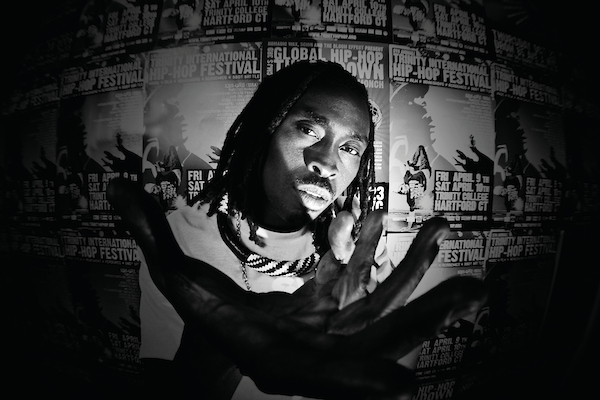
Waterflow (Senegal) (2010) (Photo by Magee McIlvaine ’06)
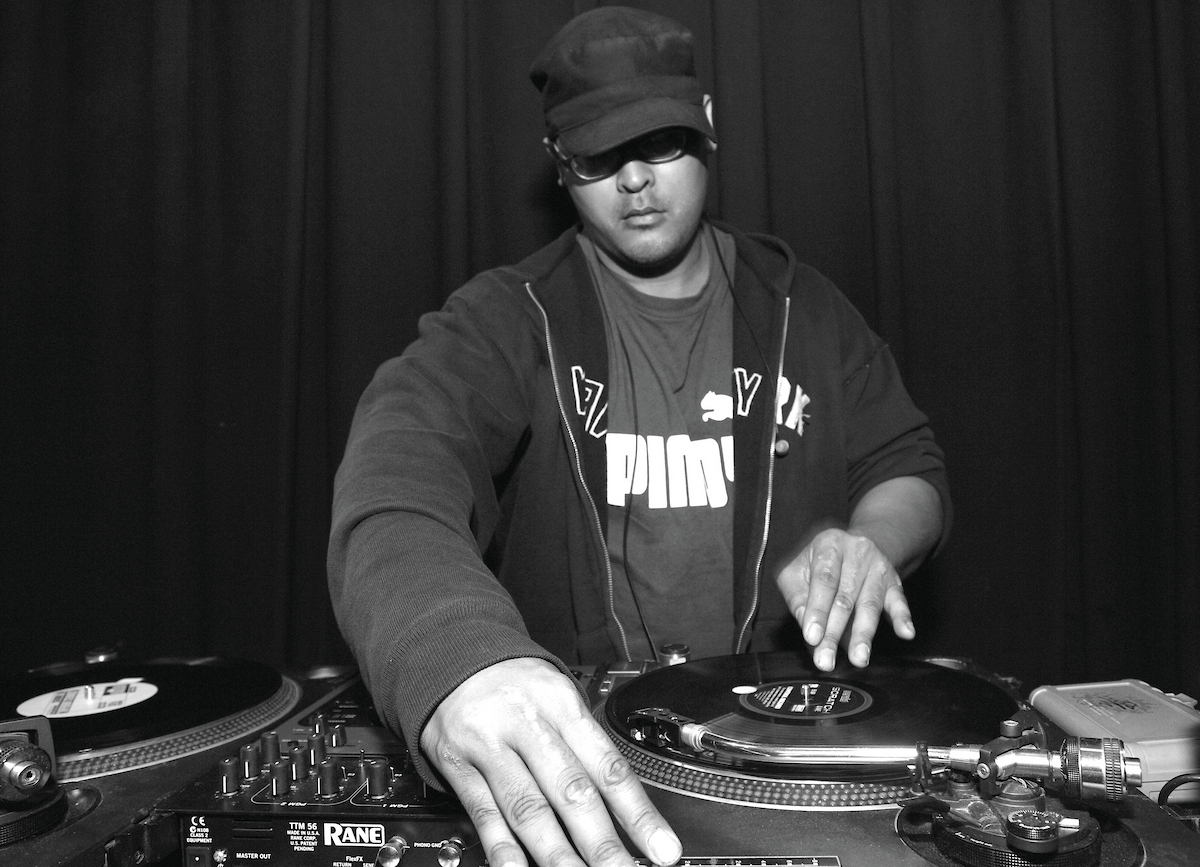
DJ Boo (2006) (Photo by Magee McIlvaine ’06)
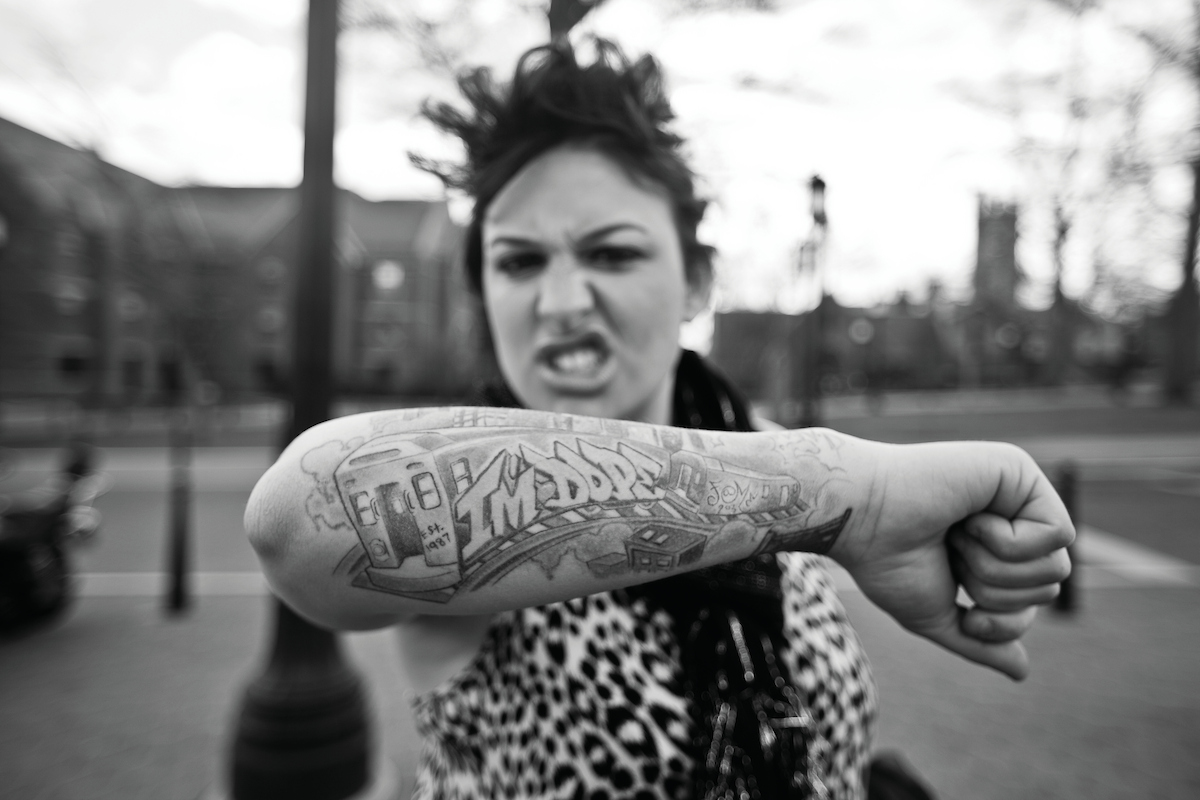
Dina Brass (2011) (Photo by Magee McIlvaine ’06)
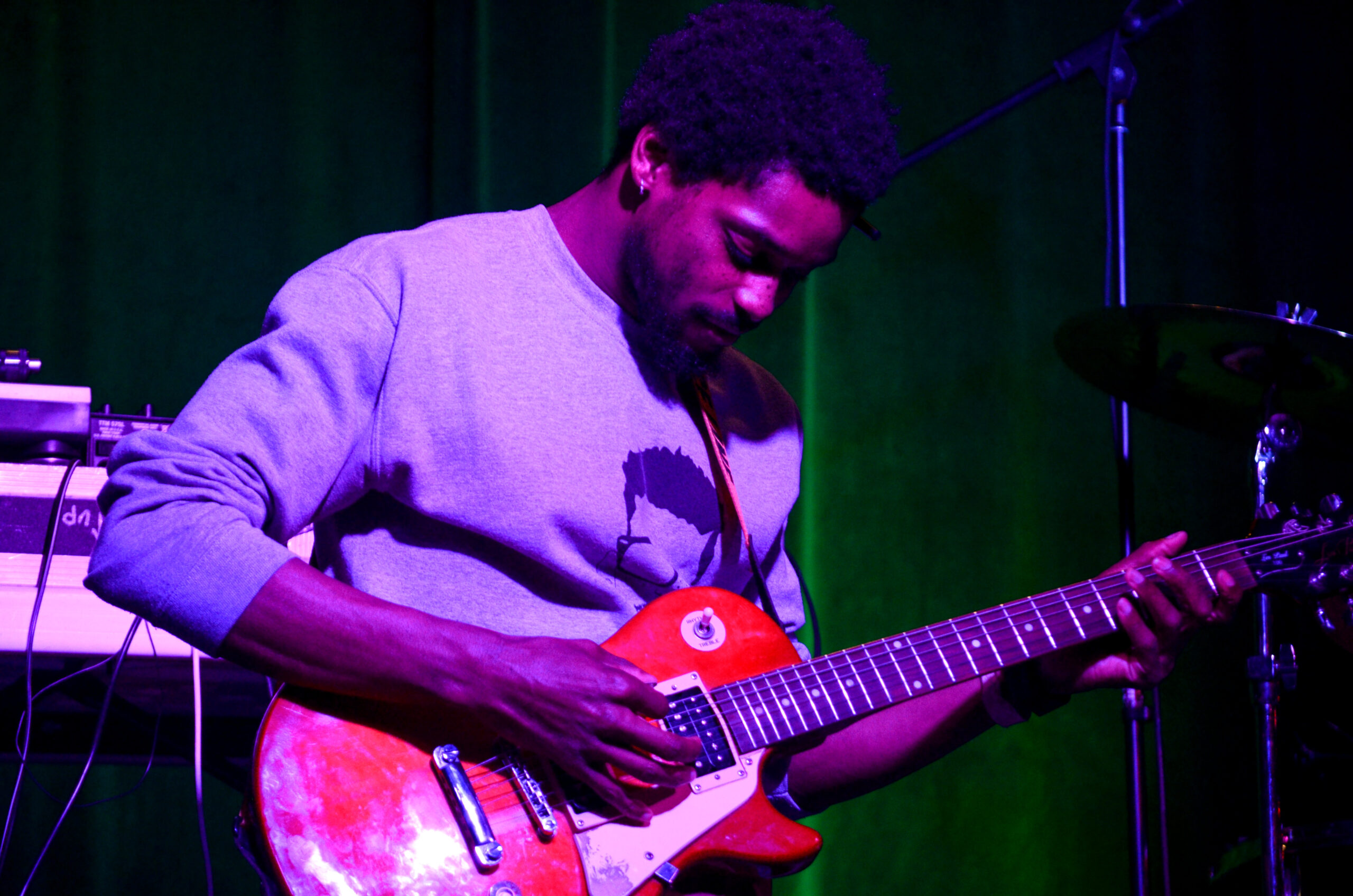
Tang Sauce (2016) (Photo by Tracy Keza ’17)
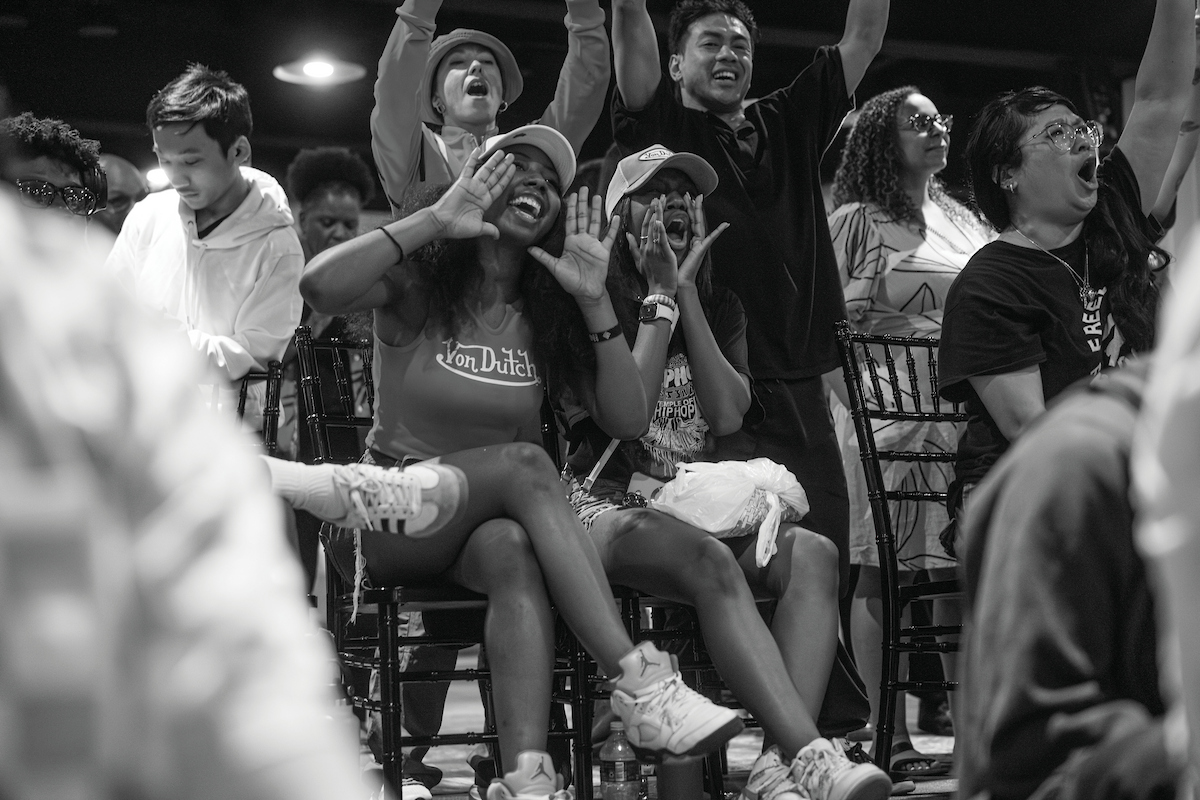
Crowd support (2025) (Photo by Joe Gaylor)
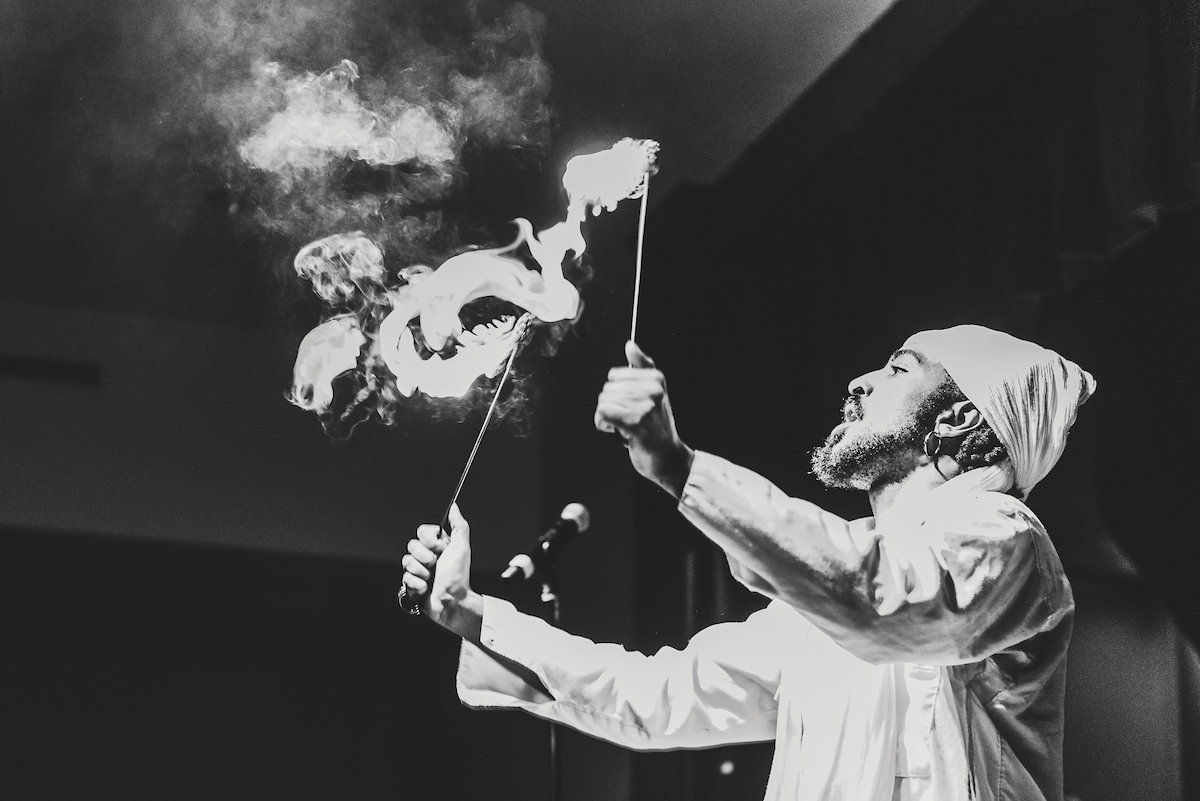
Siimbiie Liives Long (2017) (Photo by Amanda Macchia)
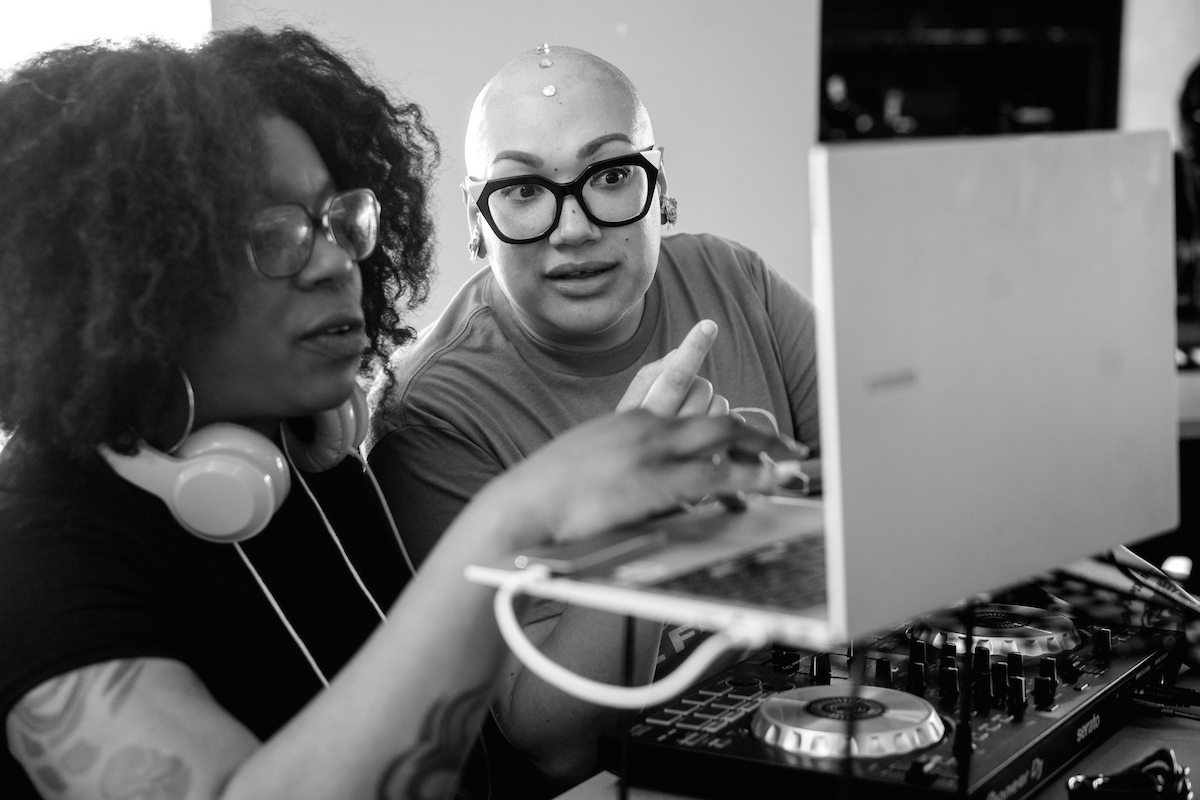
DJ Michelle Bee and Jasmin Agosto ’10 (2025) (Photo by Joe Gaylor)
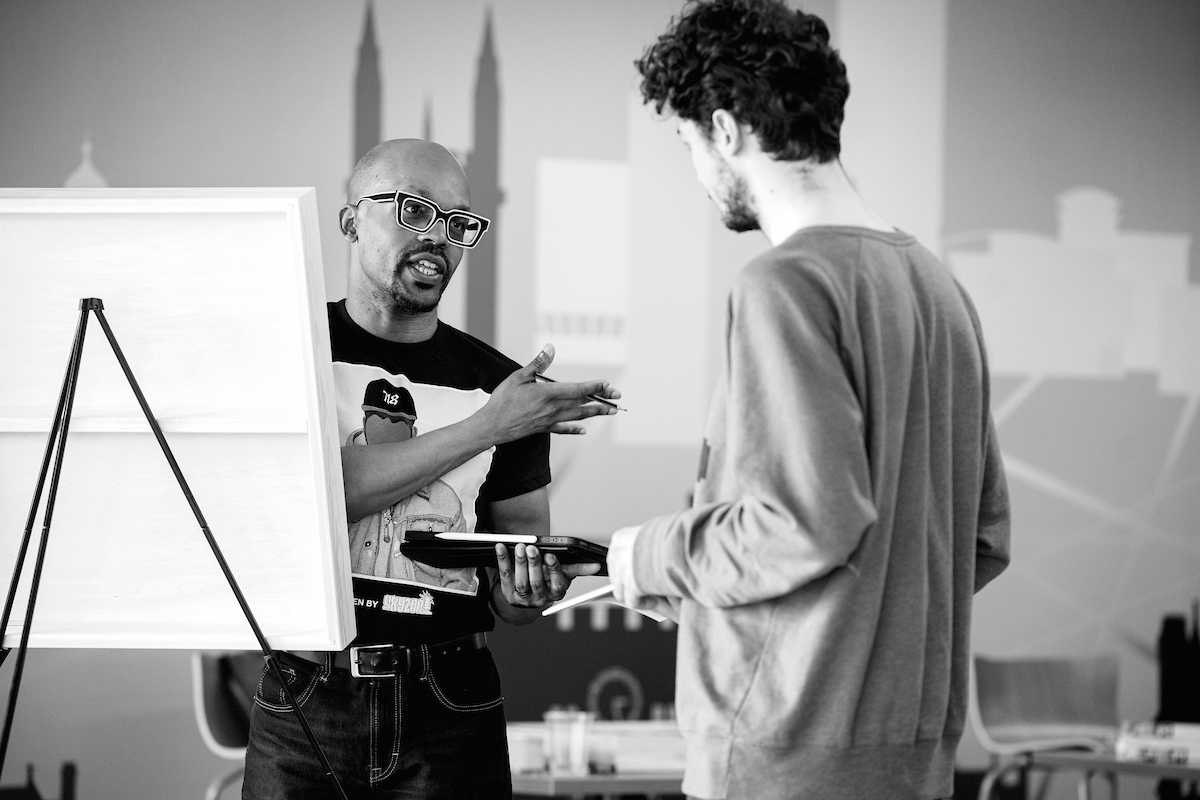
Raheem Nelson and student (2025) (Photo by Joe Gaylor)
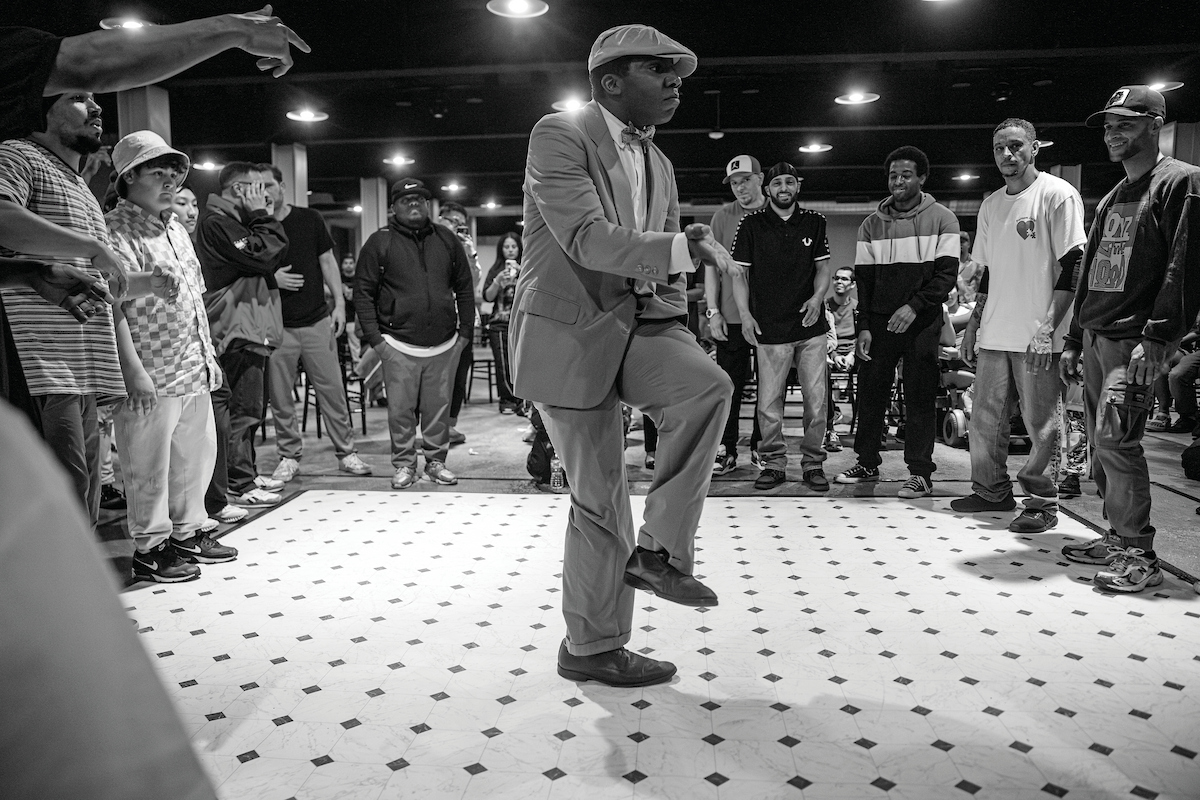
Gaylor; Blessings Divine (2025) (Photo by Joe Gaylor)
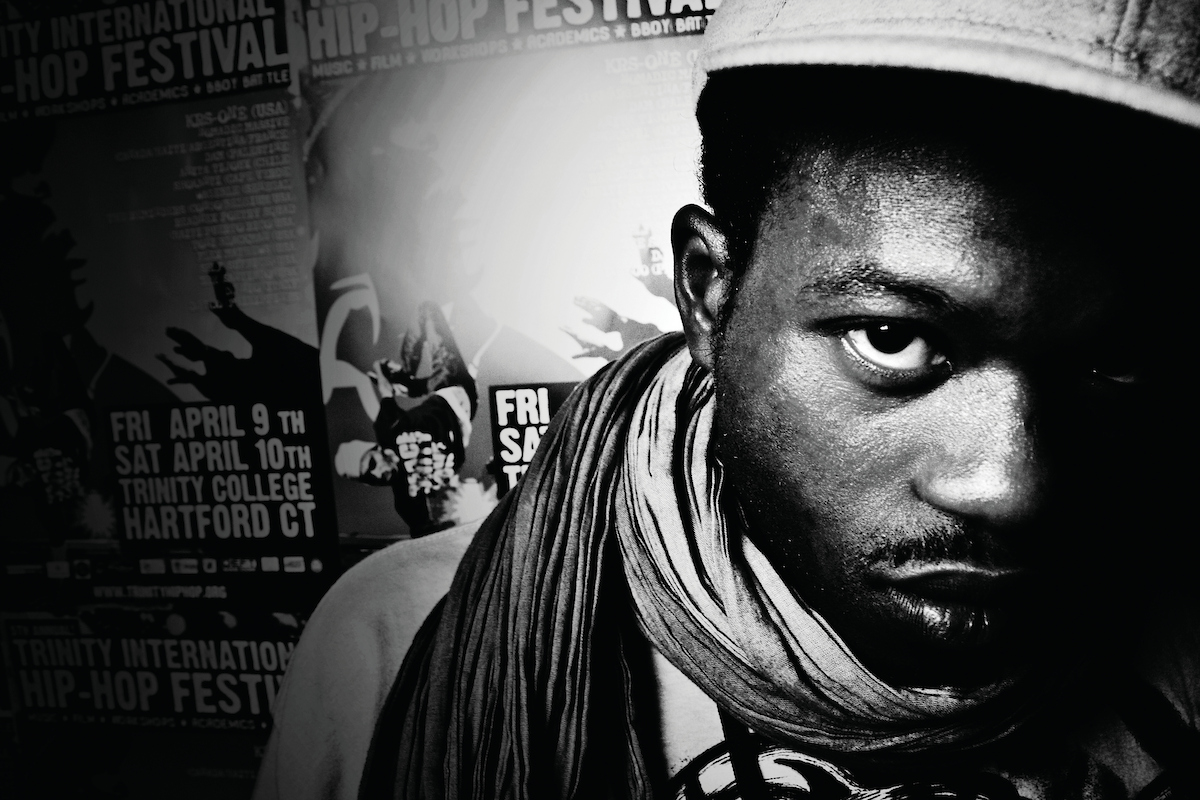
MIC7 (Photo by Magee McIlvaine ’06)