Three Trinity College students have been selected to receive two Projects for Peace grants for summer 2026, joining a long tradition of Trinity students designing community-based solutions for local challenges worldwide.
Projects for Peace, a program that awards $10,000 grants to students at partner institutions, supports projects that define and advance peace in communities around the world. This year’s Trinity recipients will lead projects in Costa Rica and Paraguay, each focused on expanding educational access and producing long-term community impact.
|
|
|
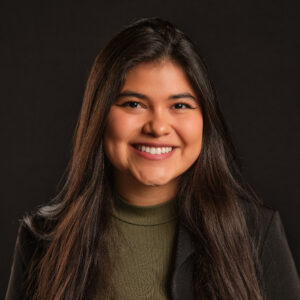

For Jackeline García Alvarado, a project in Costa Rica grows out of both personal experience and a commitment to expanding opportunities for girls in places where access to technology remains limited. Her project with Darian Mehran-Lodge ’27, “Developing a Maker Space in a Rural Area of Costa Rica to Empower Young Women in STEM,” will take place in Tilarán, Guanacaste, where they plan to create an after-school maker space for high school girls at CTP Tronadora.
The project will introduce students to 3D printing and computer-aided design while also donating five 3D printers and five laptops to the school to create a lasting resource that will continue beyond the summer. Students will learn to build and use printers, understand how the technology works, and design projects to improve their school and community. The program will also include conversations about gender empowerment and women’s representation in STEM fields.
For Jackeline, the work is deeply personal. A first-generation student from Costa Rica, she was herself supported by Descubre Robótica as a high school student and later became a volunteer with the organization’s women-in-STEM initiatives. Now studying computer science in the United States, she hopes to help younger girls imagine futures for themselves in fields that can often feel out of reach.
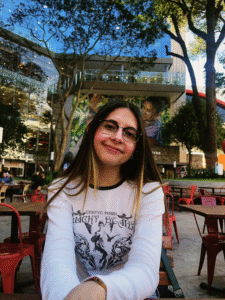
Hanna Saffi’s project in Paraguay is similarly rooted in personal connection and a strong sense of responsibility to her home community. Her proposal, “Booky Club: Cultura y Paz – An After-School Creative Learning Program for At-Risk Children in La Chacarita, Paraguay,” will bring an eight-week after-school program to children in La Chacarita, a historically marginalized neighborhood in Asunción.
Working with José Acosta and in partnership with Asociación Nido de Niños, Hanna plans to create a space where children ages 5 to 16 can take part in literacy, music, art, and storytelling activities while also receiving meals at each session. The program is designed not only to support children academically and creatively, but also to offer a “safe alternative to the streets.” During the summer, participants will move through a series of modules centered on identity, expression, and future possibility, culminating in a final collective creative work.
Hanna writes about Paraguay’s deep educational inequalities and the way those systemic failures shape children’s lives from an early age. Her inspiration for the project grew out of volunteer work in La Chacarita, where she saw firsthand how poverty and exclusion limit children’s opportunities. Through Booky Club, she hopes to help children build a new, positive relationship with learning. The project also includes a sustainability plan that will train local leaders and leave behind materials and a repeatable program structure so the work can continue after the summer ends.
Though the two projects take different forms, they are connected by a shared belief that peace is built through access, dignity, and opportunity. In Costa Rica, that means giving young girls the tools and confidence to see themselves in STEM. In Paraguay, it means creating a safe space where children can learn, create, and imagine futures beyond the limits imposed on them.
Projects for Peace is among the student research and engagement grants administered through Trinity’s Center for Urban and Global Studies. Trinity students have been selected for Projects for Peace year after year, and the 2026 recipients continue that tradition with ambitious projects rooted in community partnerships.
Jackeline, Darian, and Hanna will carry out their projects this summer and share their experiences with the Trinity community during the coming academic year.