Community Learning Research Fellows Present Fall 2025 Findings
The Center for Hartford Engagement and Research is pleased to share the final research posters from the Fall 2025 Community Learning Research Fellows! The Community Learning Research Fellowship program is highly selective and allows students who have experience in community engagement to tap into their skills on a research and creative basis. This is done by creating projects that are of mutual benefit to the students and community partners by expanding their knowledge of community engagement and working with community partners to achieve their goals in Hartford.
With guidance from Colloquium Instructor Fionnuala J. Darby-Hudgens and former Senior Director of Academic Programs Erica Crowley, peers, and community partners, the fellows develop critical skills in research and learn more about community-based research. They develop their presentation and discussion skills and express with one another their challenges and successes. To further support and structure the projects for success, the program incorporates a shared expectations document that community partners, fellows, and faculty advisors contribute to at the start of the semester, and fellows submit regular progress memos that are viewable by their instructor, faculty advisor, community partner, and peers.
During the fall 2025 semester, fellows attended weekly seminars covering a series of topics related to community-based research: identifying a question and designing a research project, communicating a research plan, developing good interviewing skills, analyzing and visualizing data, designing research posters and other products, and addressing challenges in collaborative projects. They were further supported through regular large group colloquium sessions where faculty advisors, peers, and key staff from across campus provided feedback on projects before the final poster conference.
We congratulate the fellows, faculty sponsors, and community partners for their work together this semester and we extend a special thank you to our instructor Fionnuala Darby-Hudgens, guest evaluator Kate Bittinger Eikel, Head of Digital Learning & Scholarship Dave Tatem, Digital Scholarship Strategist Mary Mahoney, Ilda Ramos, Erna Alić, Trinity’s Institutional Review Board, and the entire Center for Hartford Engagement & Research (CHER) team. None of this work would be possible without the support and contributions of many across the Trinity and Hartford communities.
Understanding the Social and Economic Impact of
HEDCO’s Small Business and Entrepreneurial Support
Pen Baxton with community partner Kim Hawkins from Hartford Economic Development Corporation (HEDCO) and faculty sponsor Derin Atalay.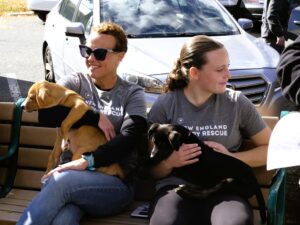
This project seeks to evaluate the reach, accessibility, and impact of HEDCO’s services on historically marginalized entrepreneurs and small business owners in Hartford and across Connecticut. Using both quantitative and qualitative methods, this research will develop an accessible data narrative about who HEDCO serves, what kinds of support are most utilized, and the economic and social outcomes of their services.
The aim is to equip HEDCO with clear, compelling data and visualizations that support future fundraising, grant applications, policy advocacy, and strategic planning, while also contributing to a growing conversation about equitable economic development in urban communities.
Determinants of Access to School-Based Health Centers: An Analysis of Diverse Educational Contexts
Alison MacDougall with community partner CT Association of School-Based Health Centers and faculty sponsor Jack Doughtery
Gaps in access to SBHCs in schools offer insight into healthcare disparities among young children. More specifically, we can analyze: To what extent do CT schools offer preventive care through SBHCs? How does access to school-based healthcare vary by location (urban-suburban-rural), eligibility for free/reduced price lunch, and grade levels served? In recent years, school-based health centers (SBHCs) have become increasingly in demand in schools across the country. In Connecticut, in particular, numerous schools benefit from these centers and the services they offer. The CT Association of School-Based Health Centers (CASBHC) has been working to provide preventive care to individuals within school communities in recent years. These centers offer a variety of healthcare services that students can access during school hours and at a significantly reduced price. However, many CT schools do not offer SBHCs, leaving the question: how and by whom is access to healthcare through SBHCs determined in CT?
Trinity College Community Writing Center
Pari Chouhan and Malie Fowler with community partner Trinity Writing Center and faculty sponsor Erin Frymire
 This research project is centered around building a foundation for the creation of a community writing center connected to Trinity College. Through the research question, “What are the writing needs found within the Hartford population?” we are discovering how to best partner with the city. A priority for us is to strengthen our connection with Hartford and come in alliance with our community partners and general citizens. Using data found from a city survey and extensive research on the history, strategies, and practices of community writing centers, we hope to create a space where anyone can have a positive experience receiving writing assistance.
Assessing the Impact of Active Transportation Infrastructure (ATI) on Crash Occurrence and Severity in Hartford, CT
Mafer Vacca with community partner Owen Deutsch from Planning & Zoning Division, City of Hartford and faculty sponsor Garth Myers
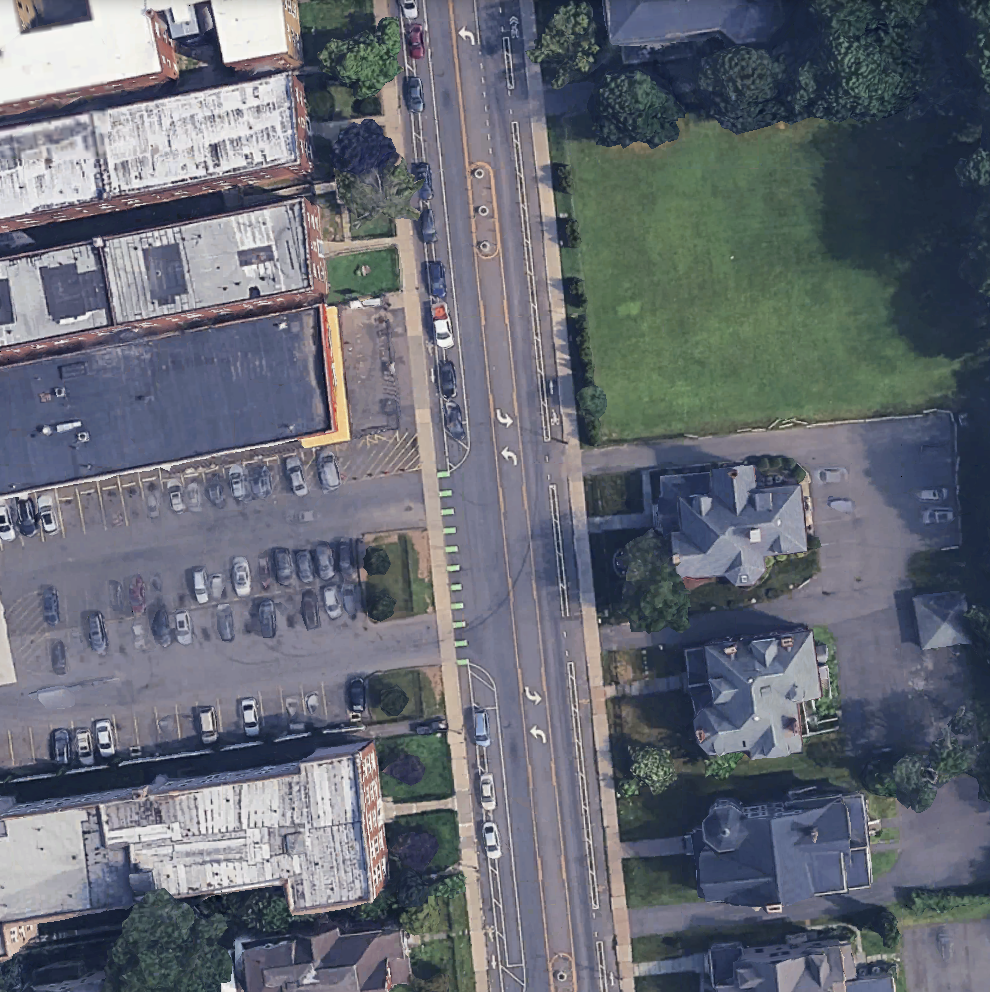 This quantitative study aims to evaluate the impact of these specific infrastructure changes, addressing the research question: “To what extent does the City of Hartford’s implementation of Active Transport Infrastructure (ATI) impact street safety, evidenced by crash frequency and severity?” Using a Geographic Information Systems (GIS) approach, this research will analyze crash data from 2018 to 2024 available through the UCONN Crash Data Repository near areas where infrastructure was deployed. The final product is expected to be a GIS ModelBuilder prototype for the City of Hartford. This tool would be replicable and able to assess the effectiveness of future infrastructure implementation that aims to improve street safety.
Tejiendo Nuestro Salud Comunitaria / Weaving our Community Health
Ariana Alonso Flores with community partner Ruth Valera from Hartford Deportation Defense and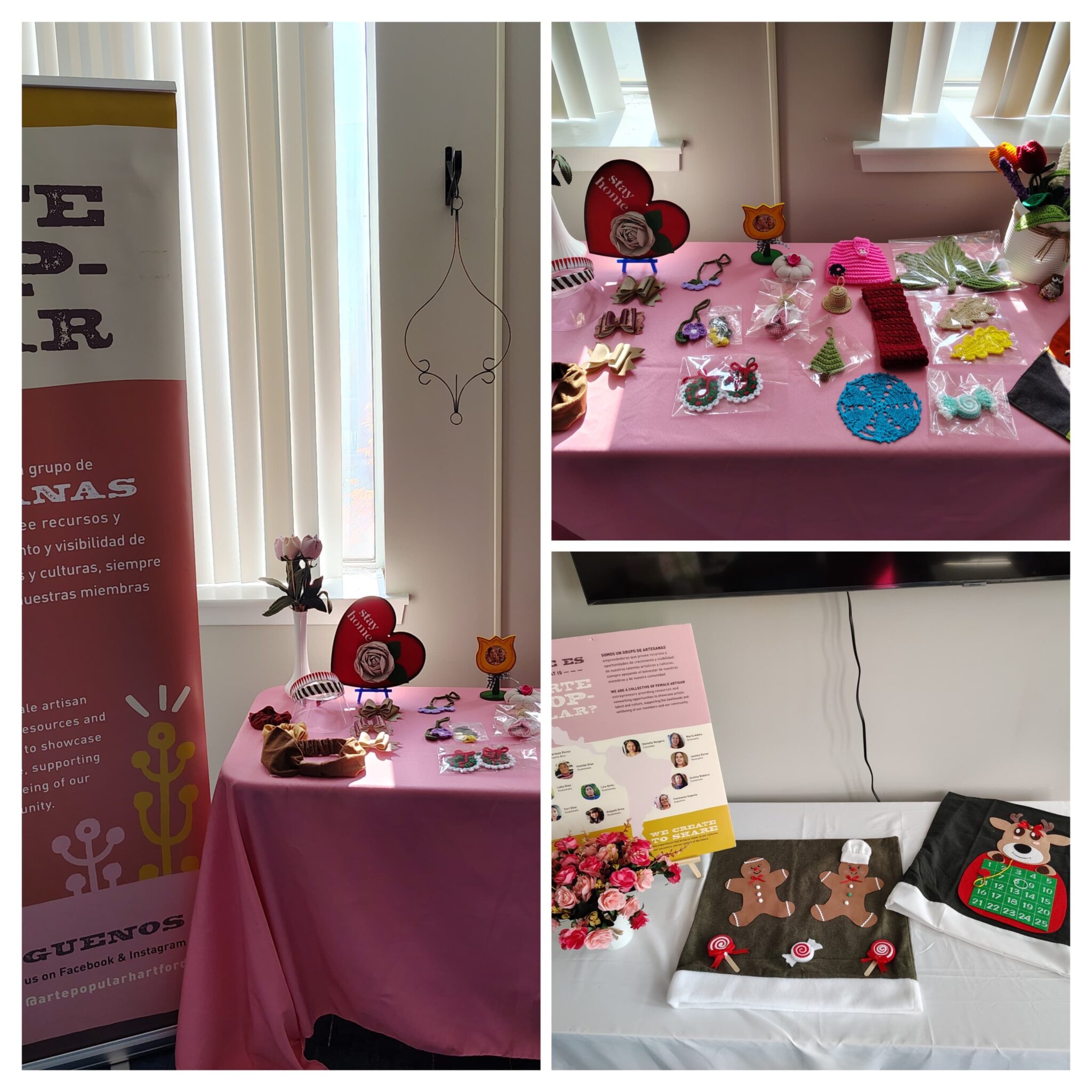 faculty sponsor Abigail F. Williamson
This project examines these questions in partnership with Arte Popular, an im/migrant women’s artist collective that supports members with their livelihood and wellbeing. The findings will inform a broader coalition of grassroots immigrant rights organizations (including Hartford Deportation Defense and Husky for Immigrants), who wonder what role their sister organization Arte Popular might play in supporting healing and advocacy for immigrants at a time of increasing immigration enforcement.