Students ‘Branch Out’ to Explore STEM Courses during January Term (J-Term)
Trinity College’s January Term offers students the opportunity to focus intensively on subjects of their choosing—including offerings in science, technology, engineering, and mathematics (STEM).
Julia Bekanich, coordinator for health professions and lecturer in Trinity’s Health Fellows Program, said that students may use J-Term as a time to explore interests outside of their majors. “Students who may not have the flexibility in their schedules during the semesters—because their majors have specific requirements—find that they are able to branch out during J-Term and try something new in STEM,” Bekanich said.
As part of the 2025-26 academic year, the 2026 J-Term allowed Trinity students to enroll in one 0.5 credit course during a two-week term from January 5 to 16, 2026. Courses were available in both in-person and remote formats.
Mechanisms Underlying Human Health
Bekanich taught the co-curricular course, “Mechanisms Underlying Human Health,” which is designed to prepare students for standardized pre-health admissions exams through a combination of content review and skill development. “The course is open to any student interested in learning to prepare for a standardized exam, whether it’s the MCAT, GRE, or DAT [dental admissions test],” Bekanich said. “Students complete practice exams and have the chance to apply core concepts and strategies from our lessons.”
Emphasis is placed on reflective practice and identifying areas for growth, to foster the refinement of critical thinking and scientific reasoning skills. Bekanich added, “Although there’s a clear objective to this J-Term course, which is to do well on one’s anticipated exam, any student wanting to test well for standardized or undergraduate exams can benefit from taking this course and identifying what works best for them as a learner.”
Bekanich said that students with liberal arts foundations make strong applicants for health profession programs. “They can present themselves as holistic, well-rounded candidates who are not only strong in the sciences but will also excel in patient care and in making ethical decisions as providers or even policy-makers,” she said. “Additionally, gaining more exposure to STEM courses in J-Term provides pre-health students further opportunities to explore their interests while building a strong STEM foundation for future success.”
Intro to R Programming
The J-Term course “Intro to R Programming,” taught by Rupal Mangukiya, Thomas McKenna Meredith ’48 Lecturer in Environmental Science, offered a hands-on introduction to R programming using RStudio, a widely-used programming language for data analysis and data visualization. It is designed for beginners from all majors, especially those in the sciences, and no prior programming experience is needed.
“The coding language is mainly used for statistical analysis,” Mangukiya said. “The J-Term course sets up a foundation for science majors, targeting all non-IT students.”
Mangukiya said that the two-week course is designed to introduce students to R programming through hands-on experience with real datasets, helping them organize, analyze, and visualize information. “Environmental science majors will use R in advanced coursework and research, but there are students from other majors enrolled in the J-Term course, as well,” she said. “The goal is to provide all students with a foundational experience in data analysis using R.”
J-Term comes with the unique benefit of having students concentrate on just one subject at a time, Mangukiya said. “The sustained engagement over two weeks allows for repeated practice and reinforcement, which is especially helpful for building foundational programming skills,” she added.
New England in Winter
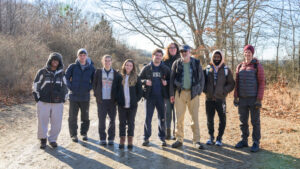
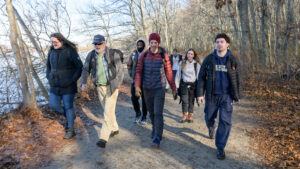
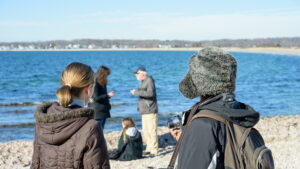
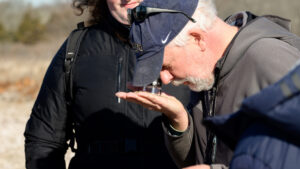
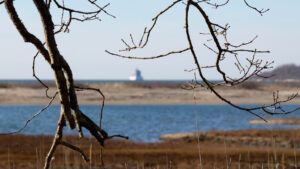
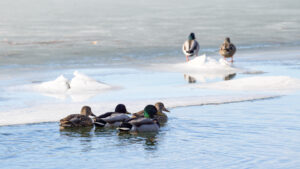
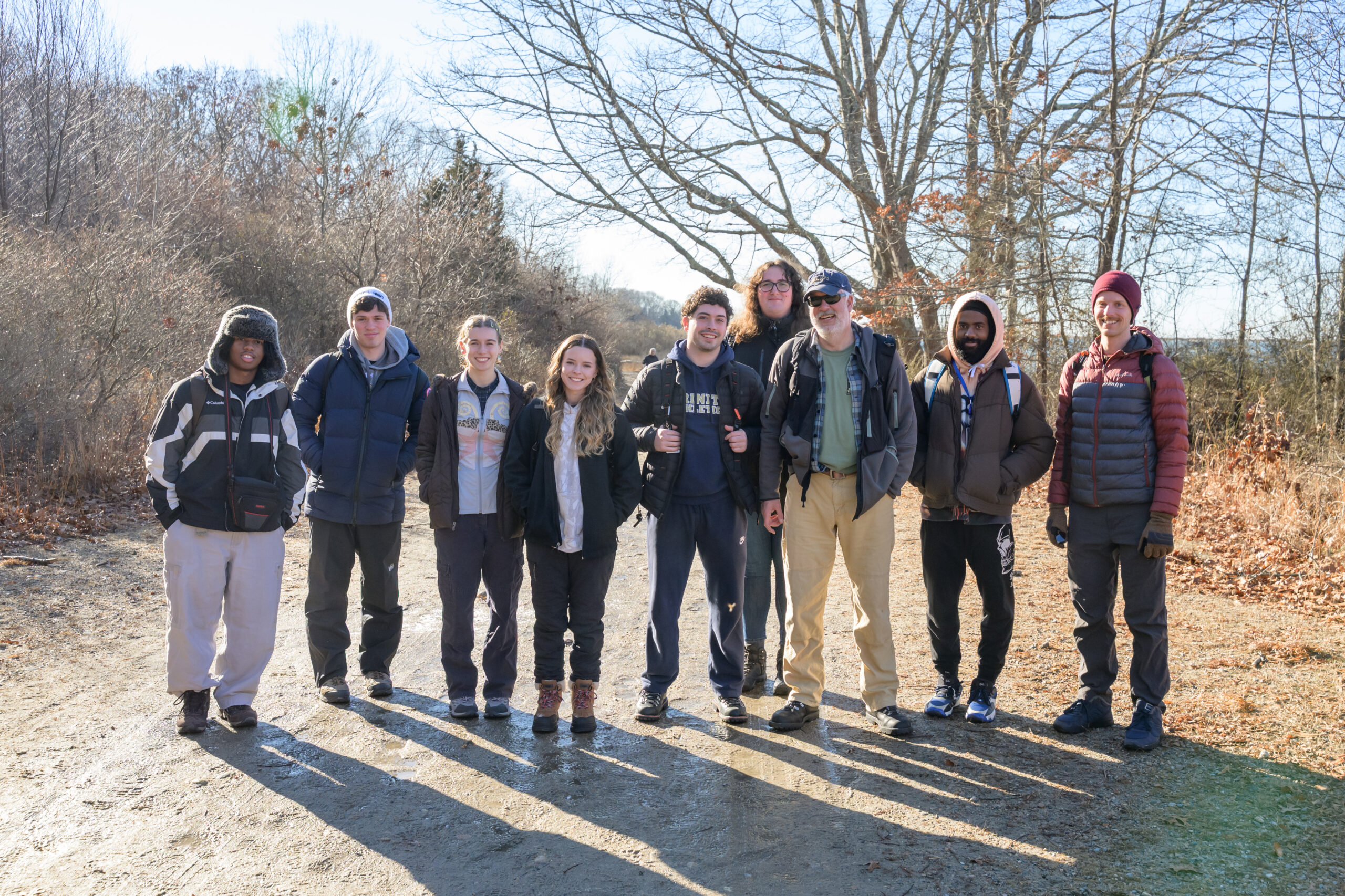
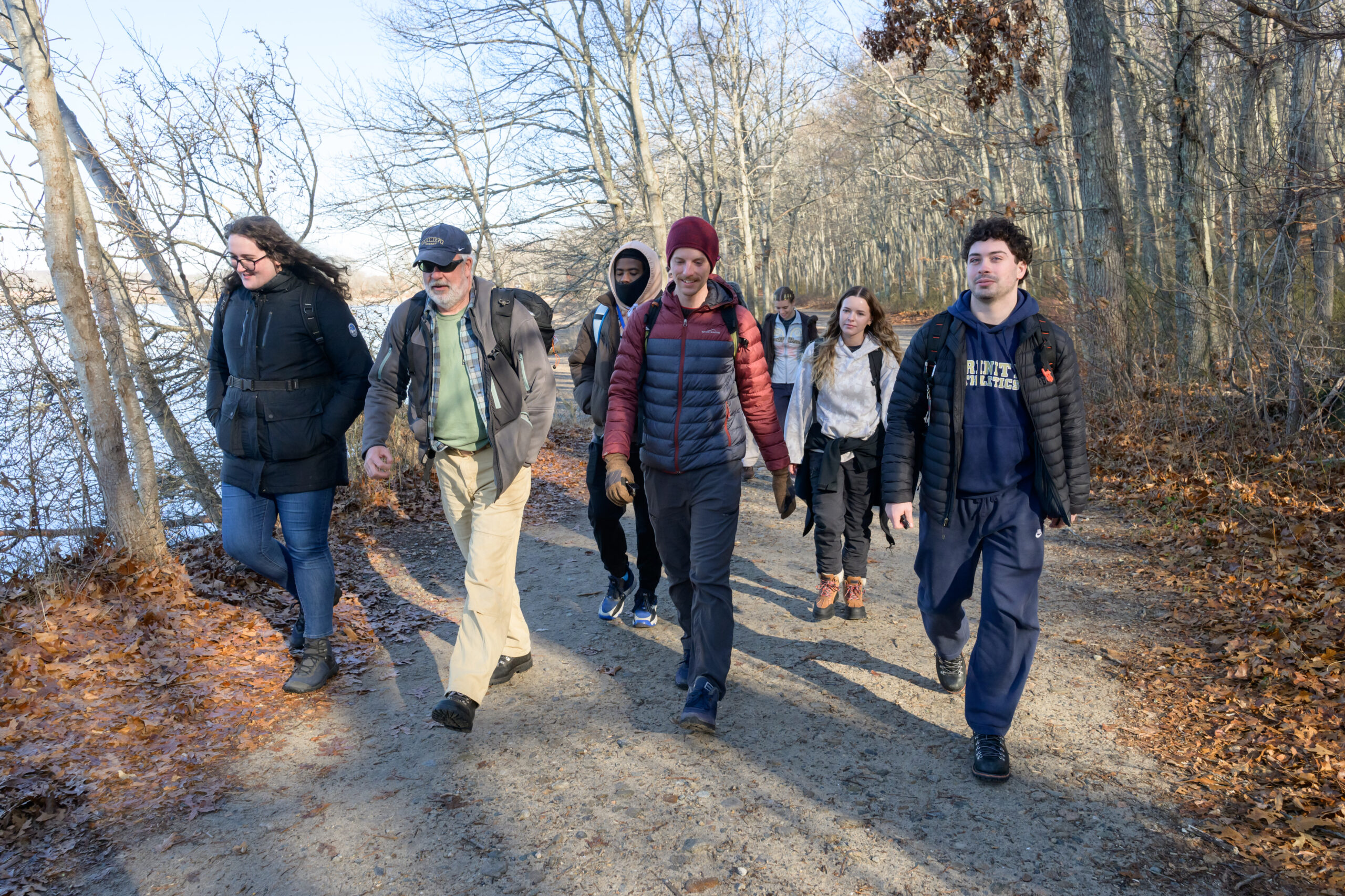
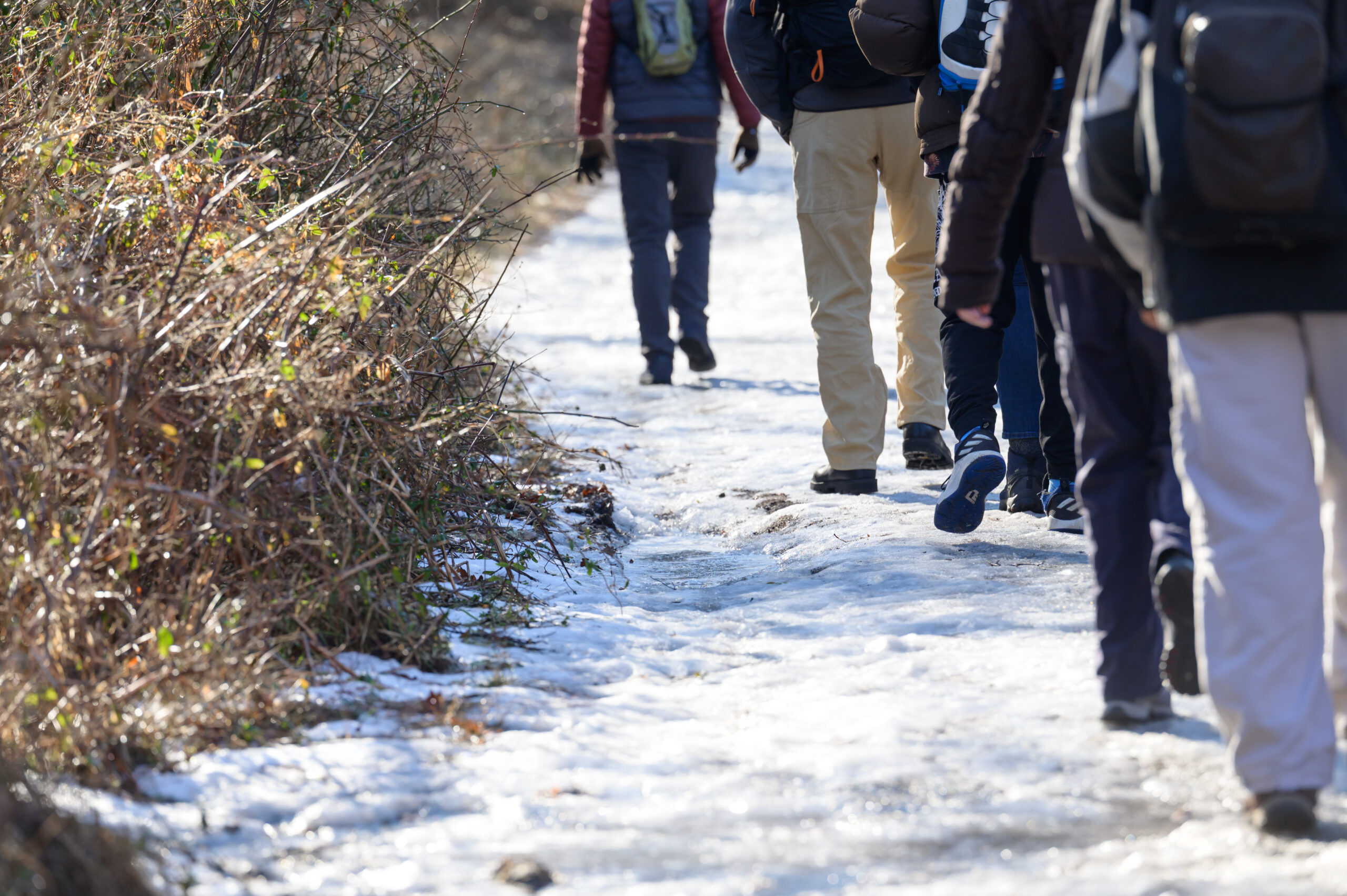
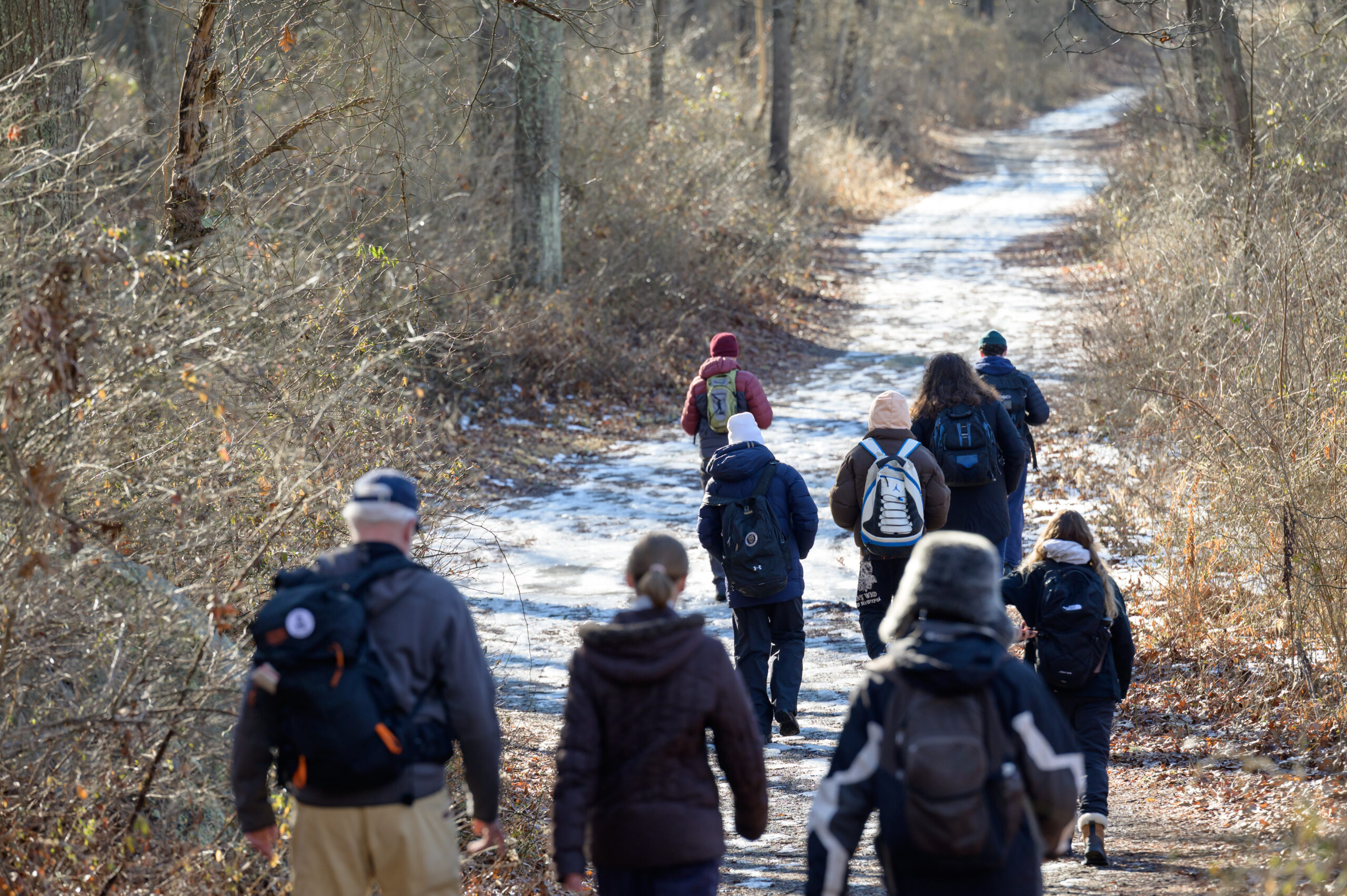
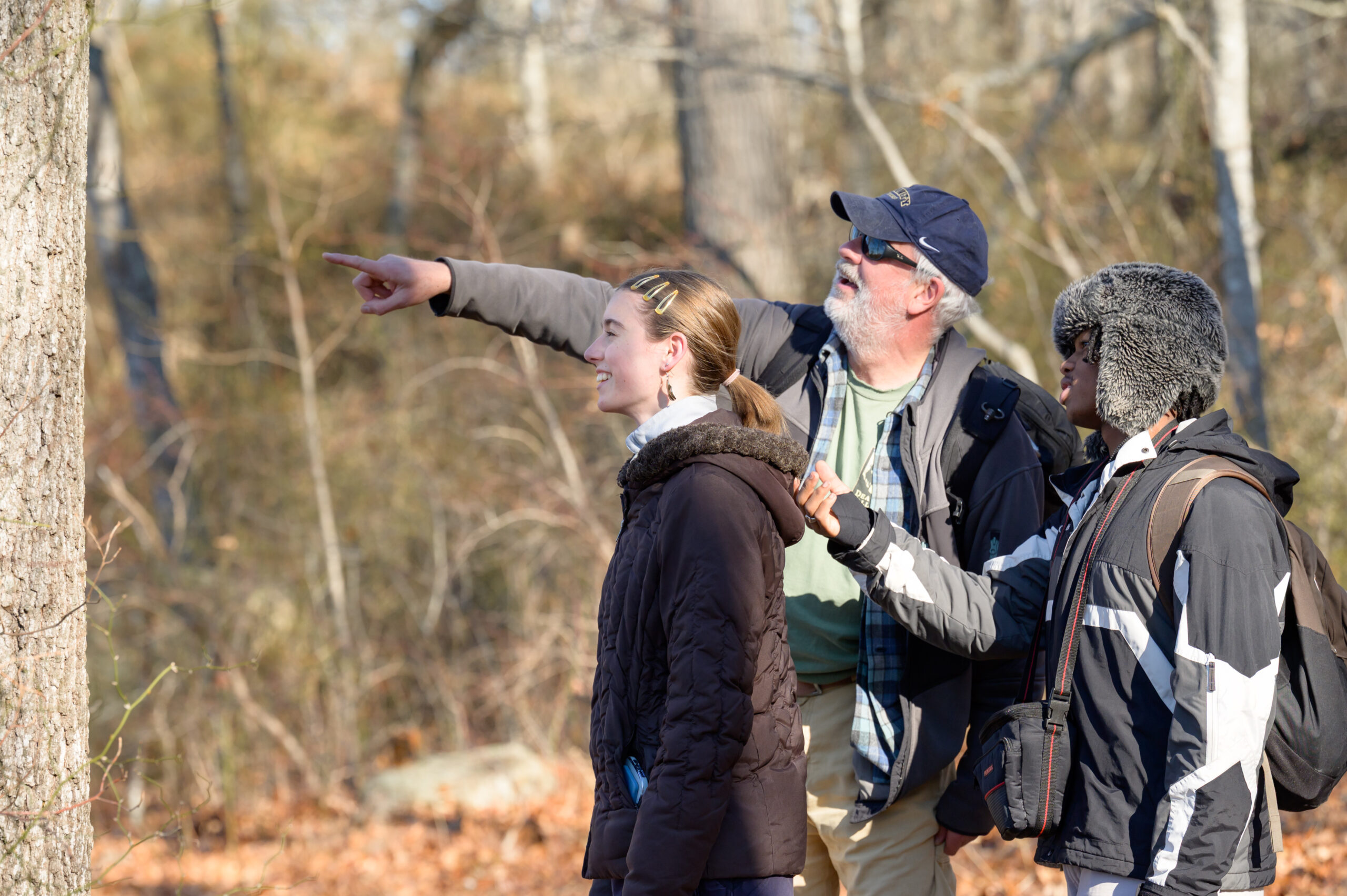
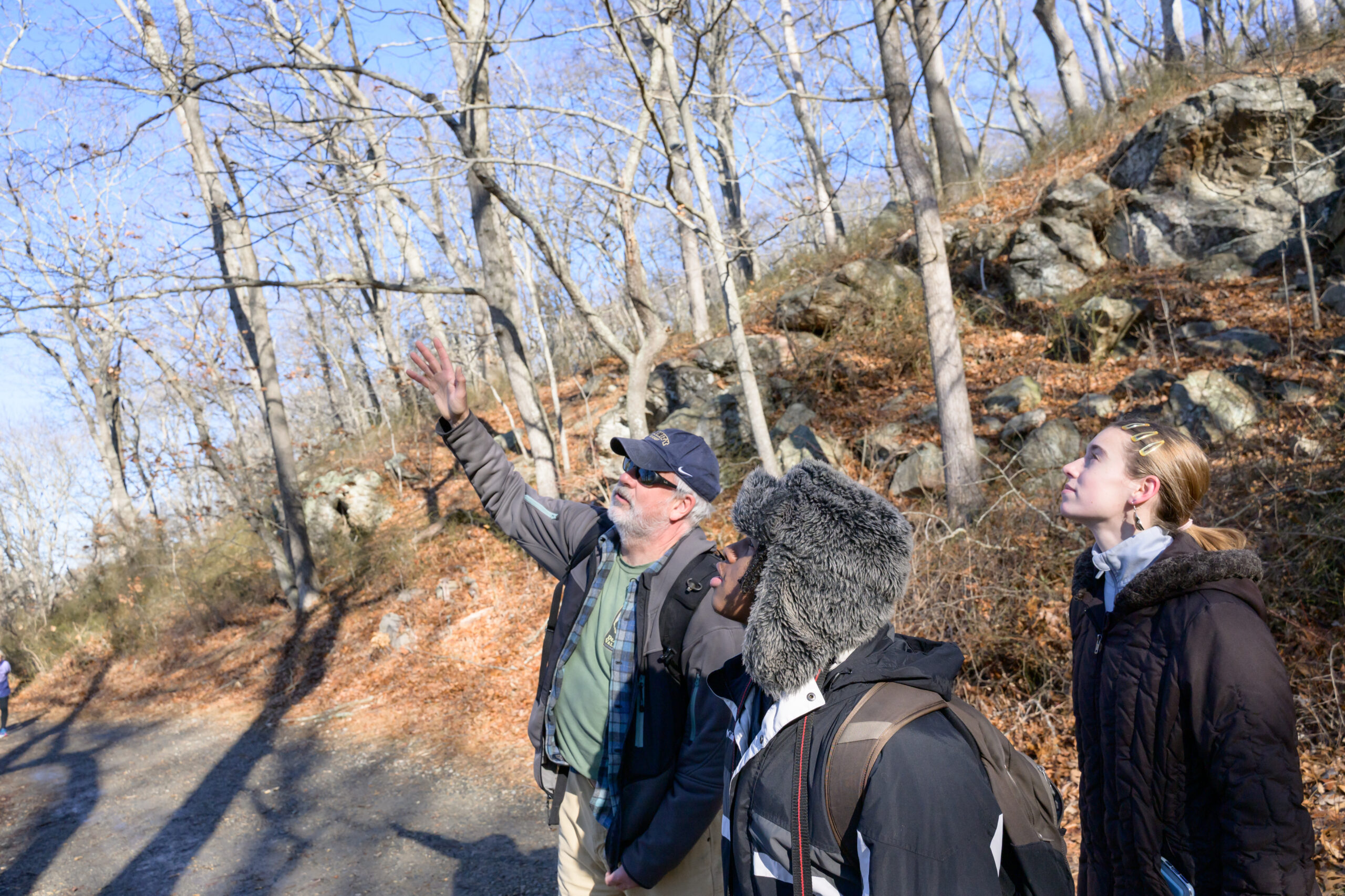
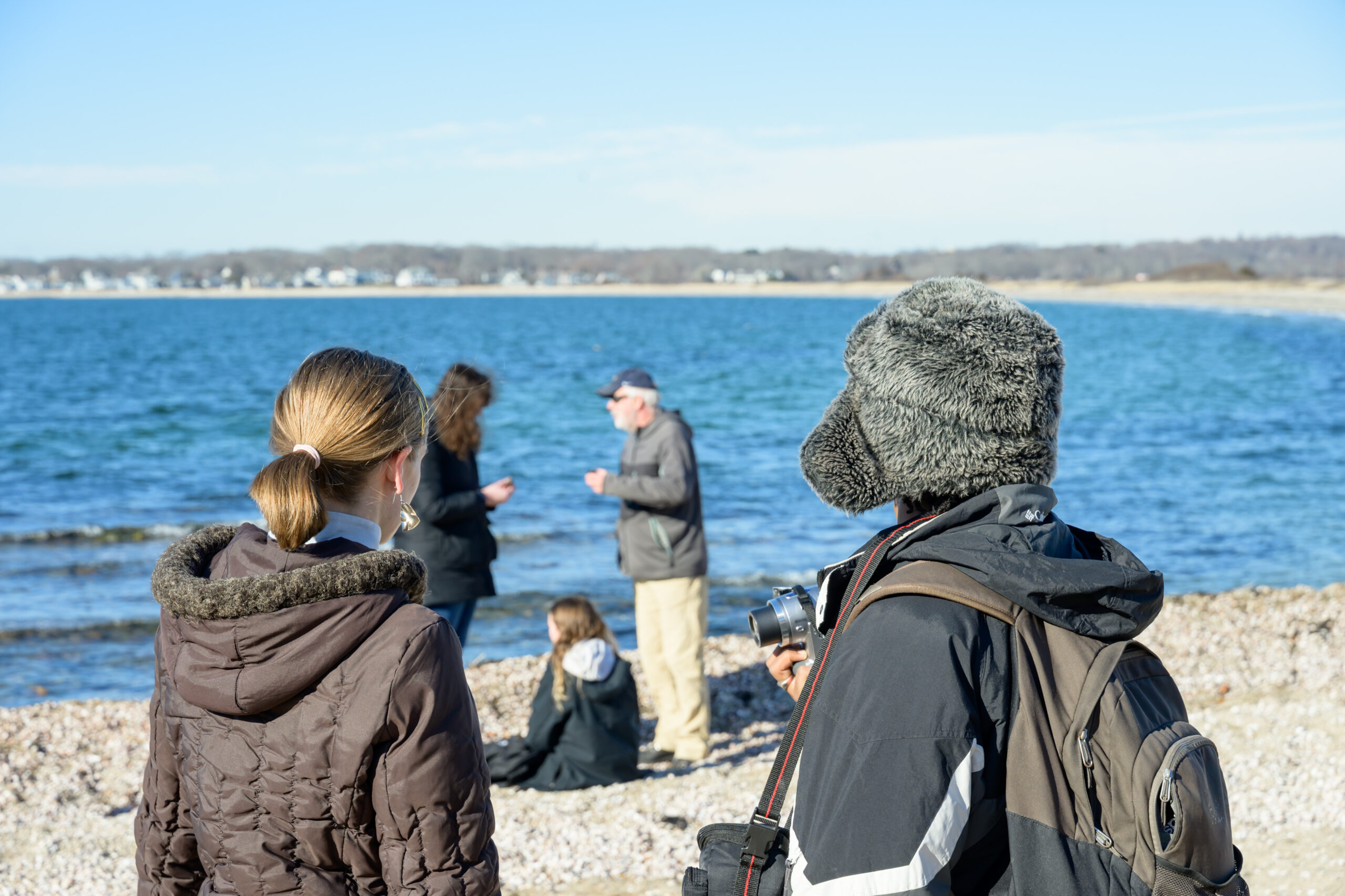
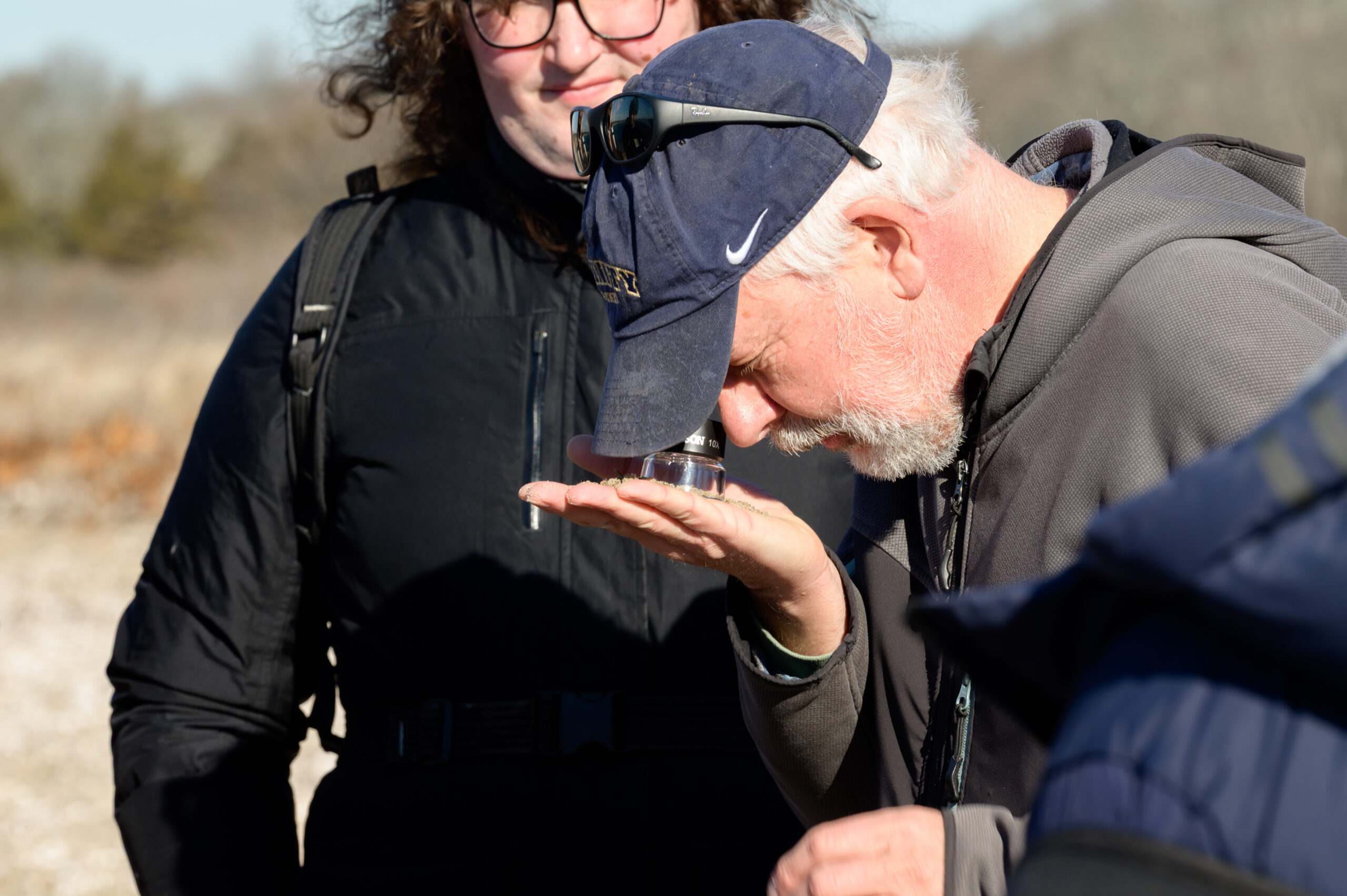
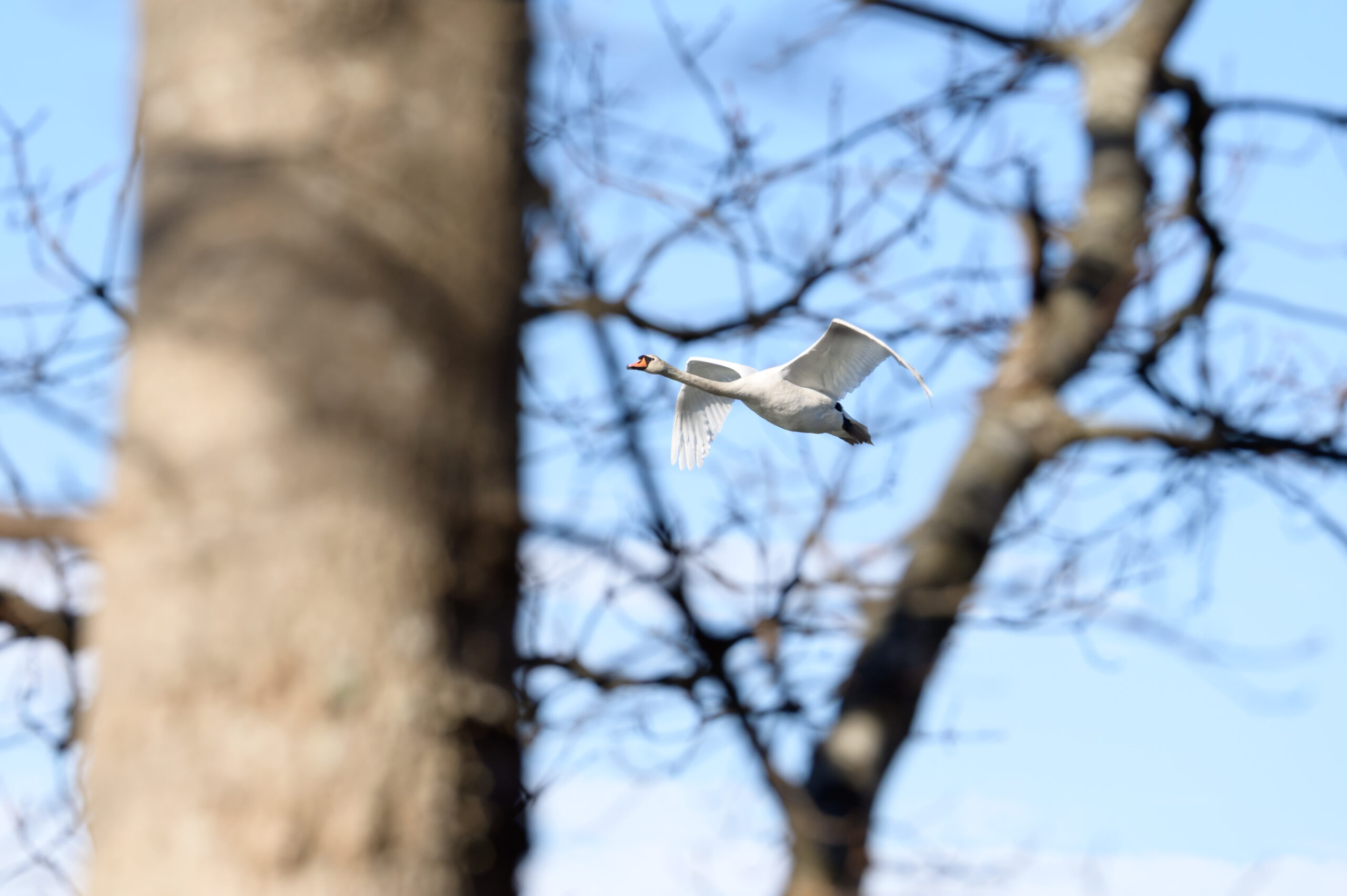
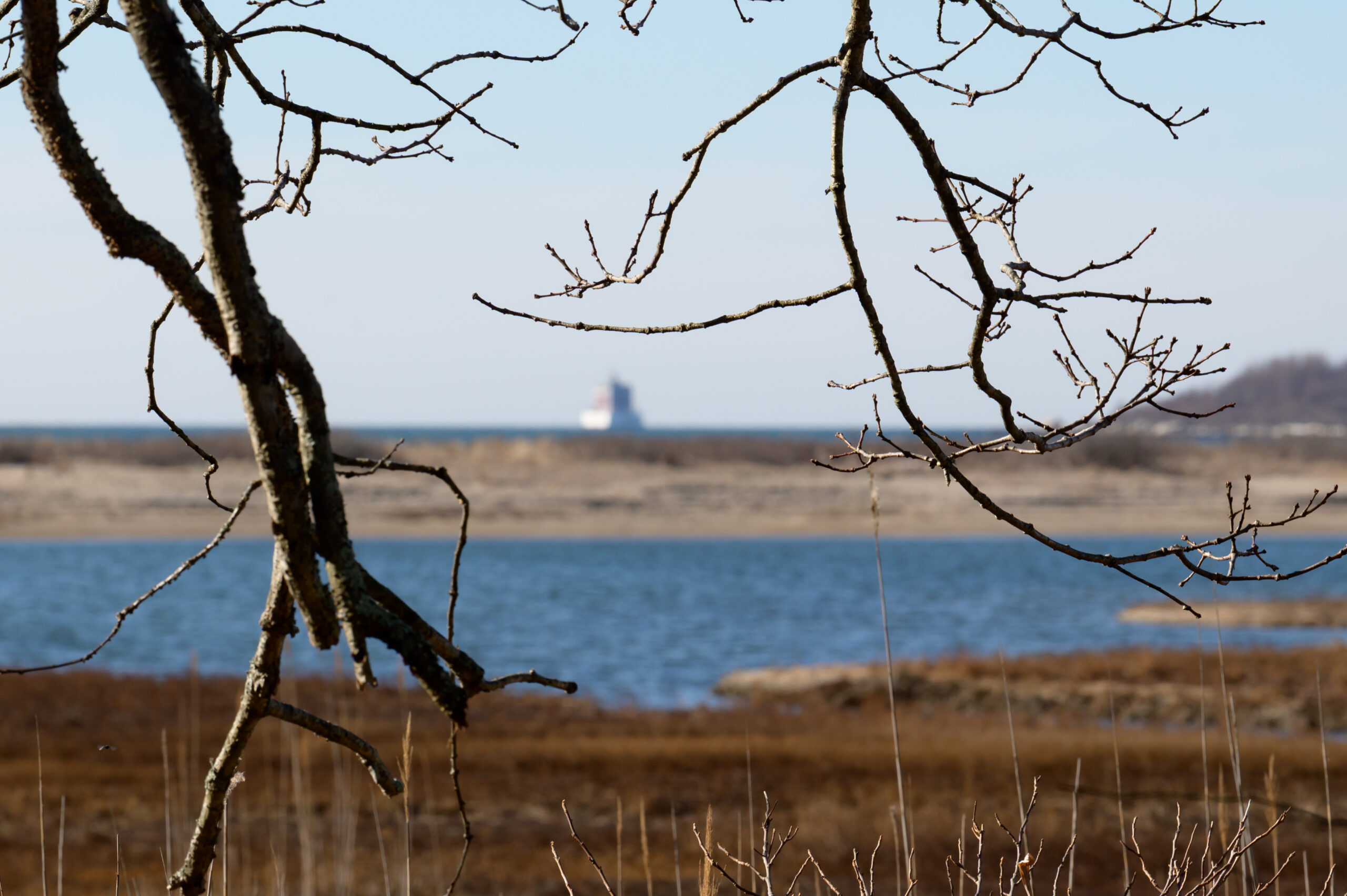
One J-Term course focused on interactive experiences with the natural sciences. In “New England in Winter,” Professor of Physics and Environmental Science Christoph Geiss took students on day-long and half-day hikes to explore the winter environments of New England. Paired with assigned readings and many discussions along the way, the hikes covered Connecticut’s traprock ridges, eastern hardwood forests, the glaciated Riga Plateau, and Long Island Sound.
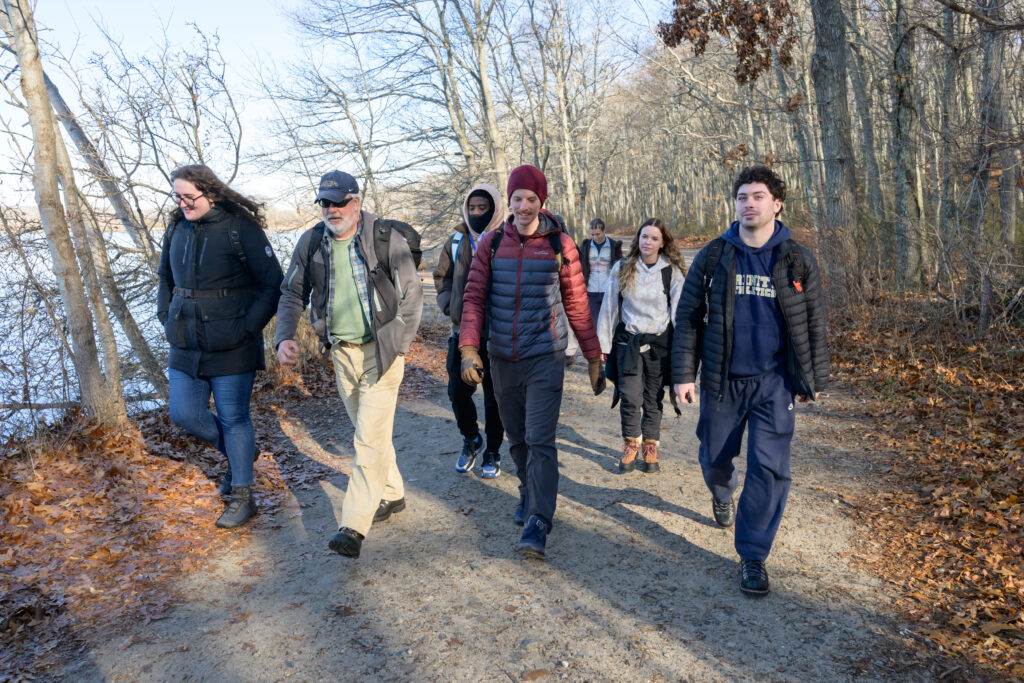
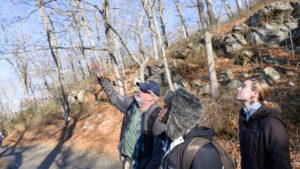
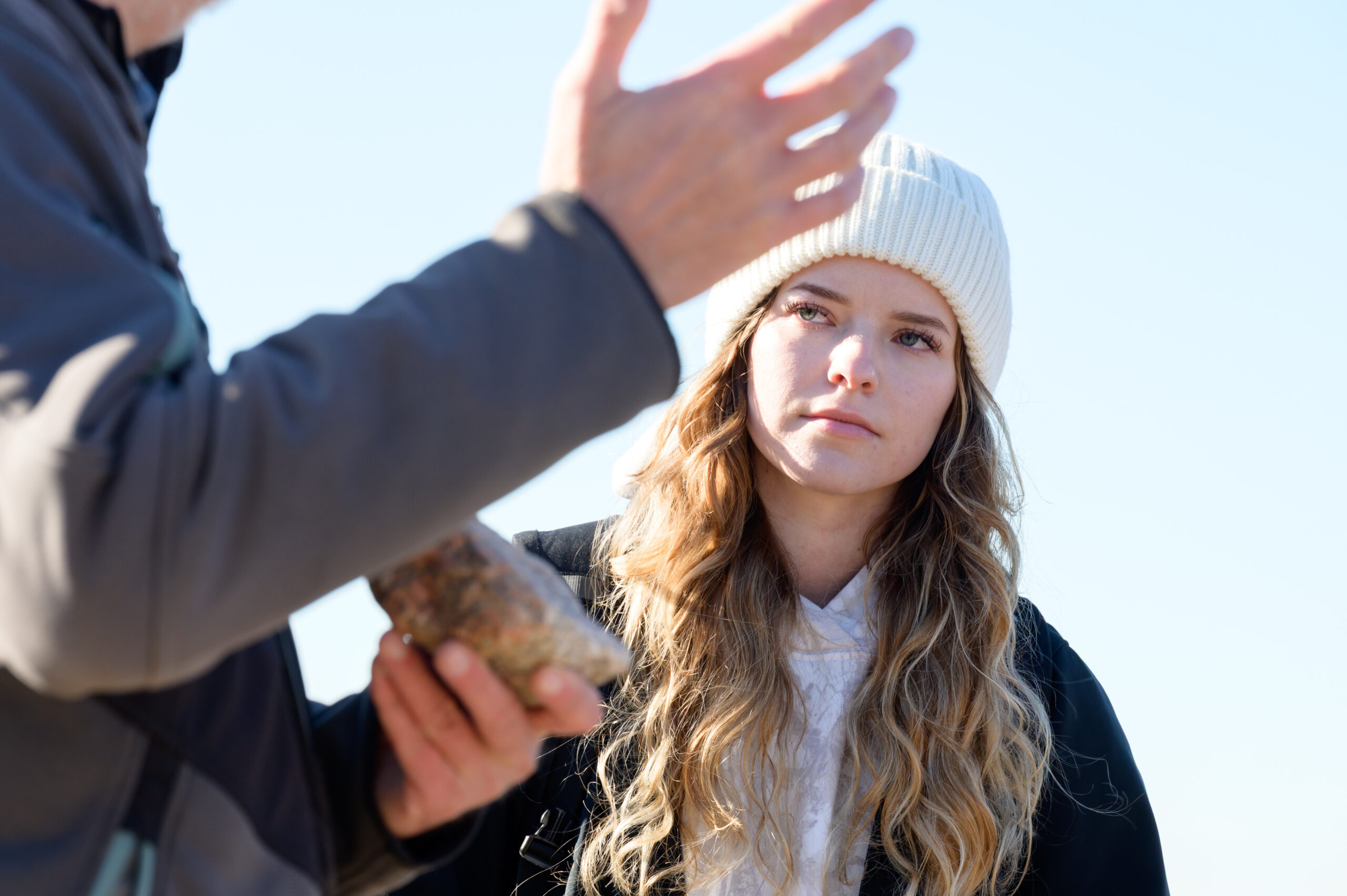
Geiss said that his top goal for the course is simple: get students outside. “I want students to experience the natural world, so we go hiking rain or shine,” he said. “I want them to understand that nature doesn’t only exist on a nice, sunny day; nature happens every day. I use the hikes to teach students how to identify trees and rocks, and to teach them something about New England.”
The discussion subjects are wide-ranging and connect to the hike locations. “At the Durham Pest House, we talked about how early New Englanders dealt with diseases like smallpox. It starts off with a nice little walk through the woods, then we talk about healthcare policy,” Geiss said. “When we hiked Bear Mountain [in Salisbury, the highest peak in Connecticut] we talked about the forest and the local iron industry. At the beach [in Groton’s Bluff Point State Park], we talked about taxes, land use development, and the economy, and at River Highlands State Park in Cromwell we talked about how Native Americans managed the landscape.”
Geiss added, “This course is in STEM and deals with natural sciences issues, but I want to show my students how everything merges together. A good liberal arts education makes those connections.”
The course offered students intensive and immersive experiences. “J-Term is great for getting a group of students outside together for a whole day,” Geiss said. “You cannot do those things during a semester.”
Learn more about Trinity College’s J-Term here.
New England in Winter - J-Term 2026