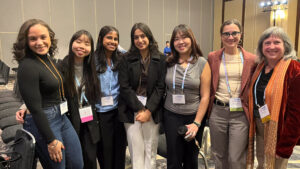
Students, Faculty, and Alumni Represent Trinity at International Neuropsychology Meeting
The 54th Annual North American Meeting of INS, “Neuropsychology in the Age of Innovation,” was held February 4-7, 2026, in Philadelphia.
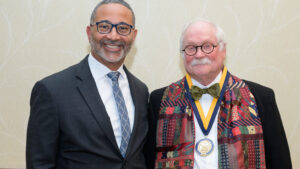
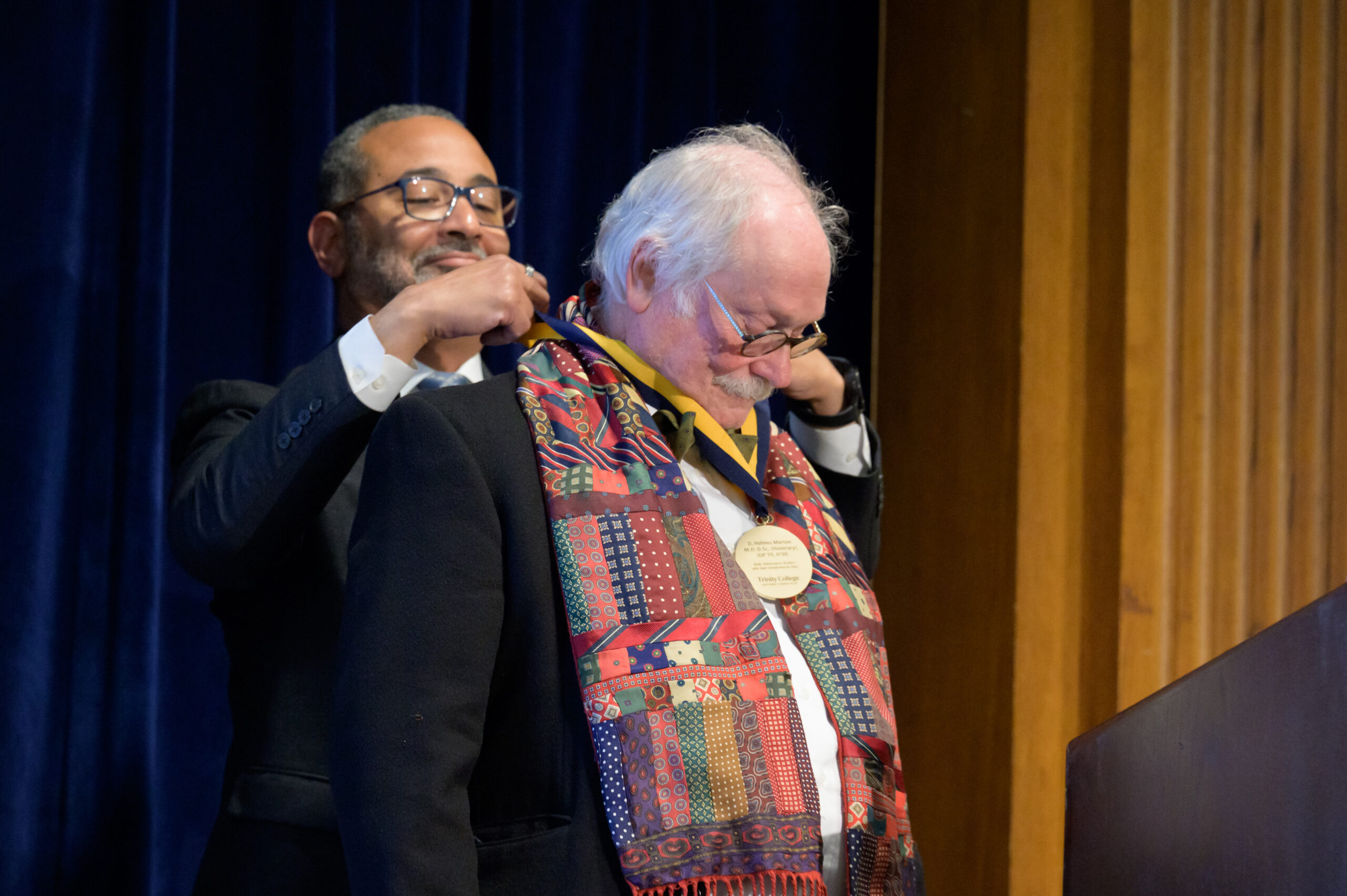
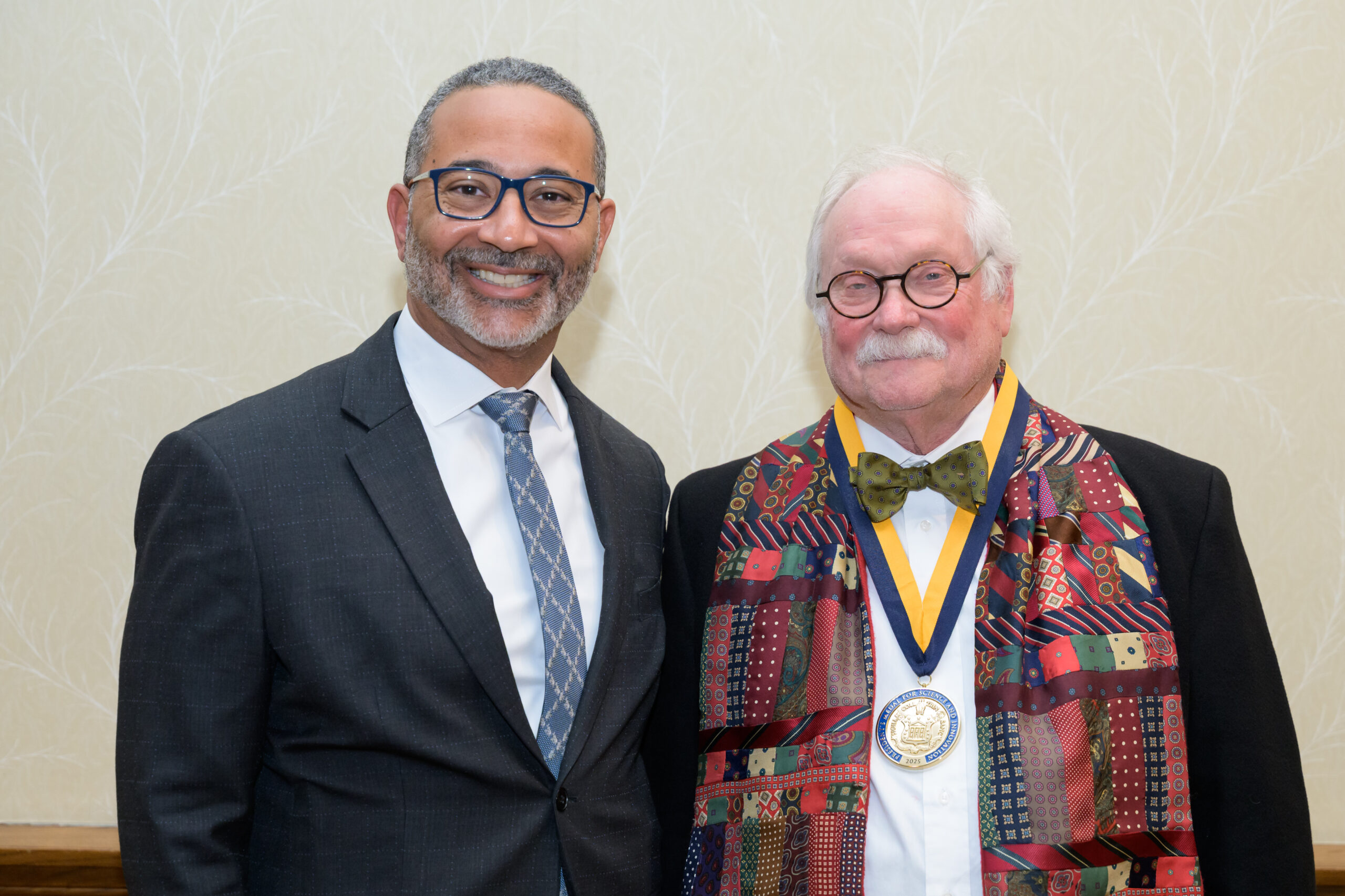
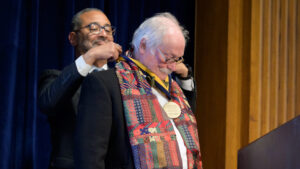
Pediatrician and geneticist D. Holmes Morton, M.D., IDP’79, H’90 received the 2025–26 Trinity College President’s Medal for Science and Innovation, which recognizes individuals who have made significant contributions to the STEM fields. Morton has dedicated his career to treating Amish and Mennonite children of Pennsylvania afflicted with genetic illnesses.
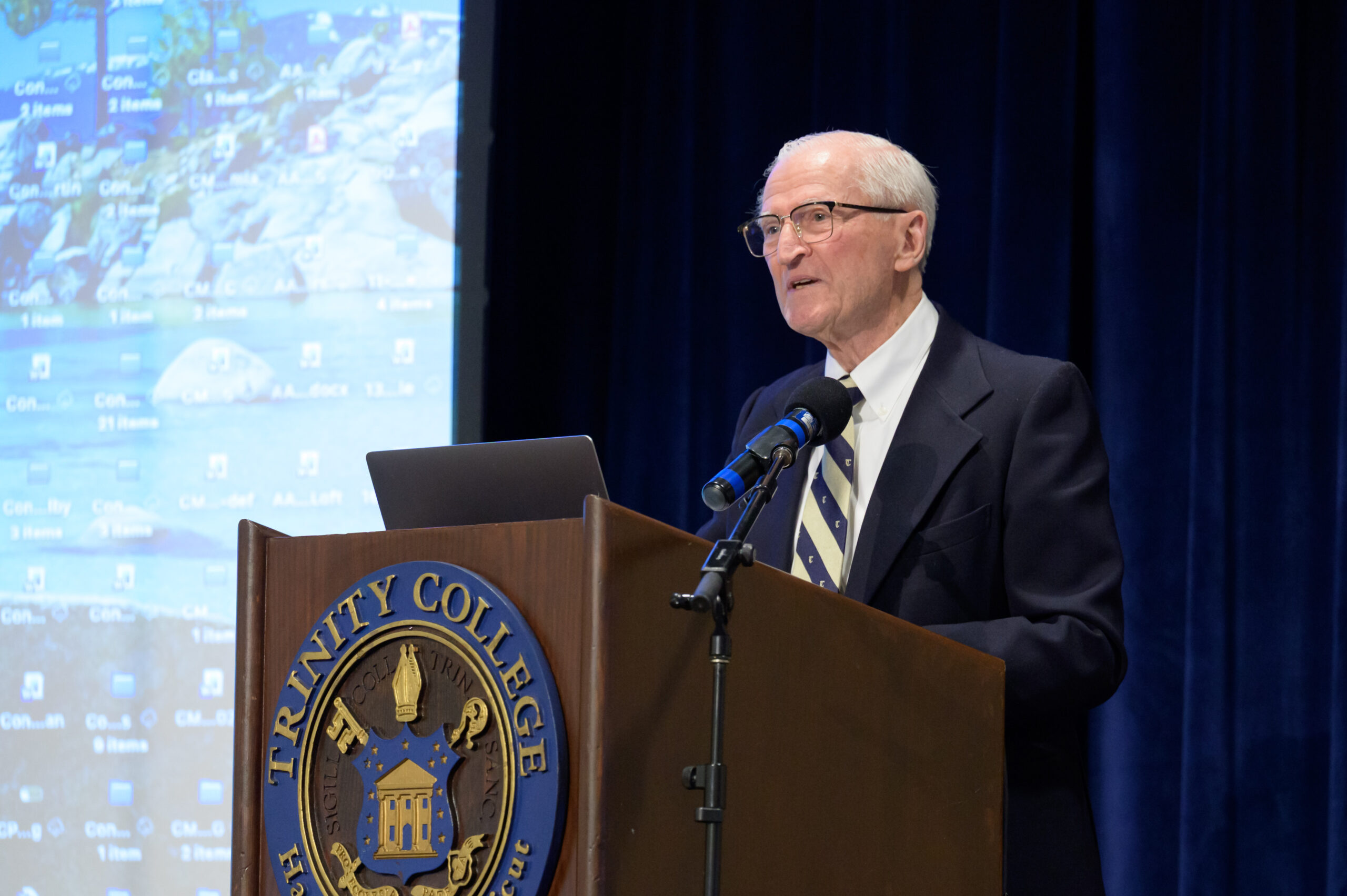
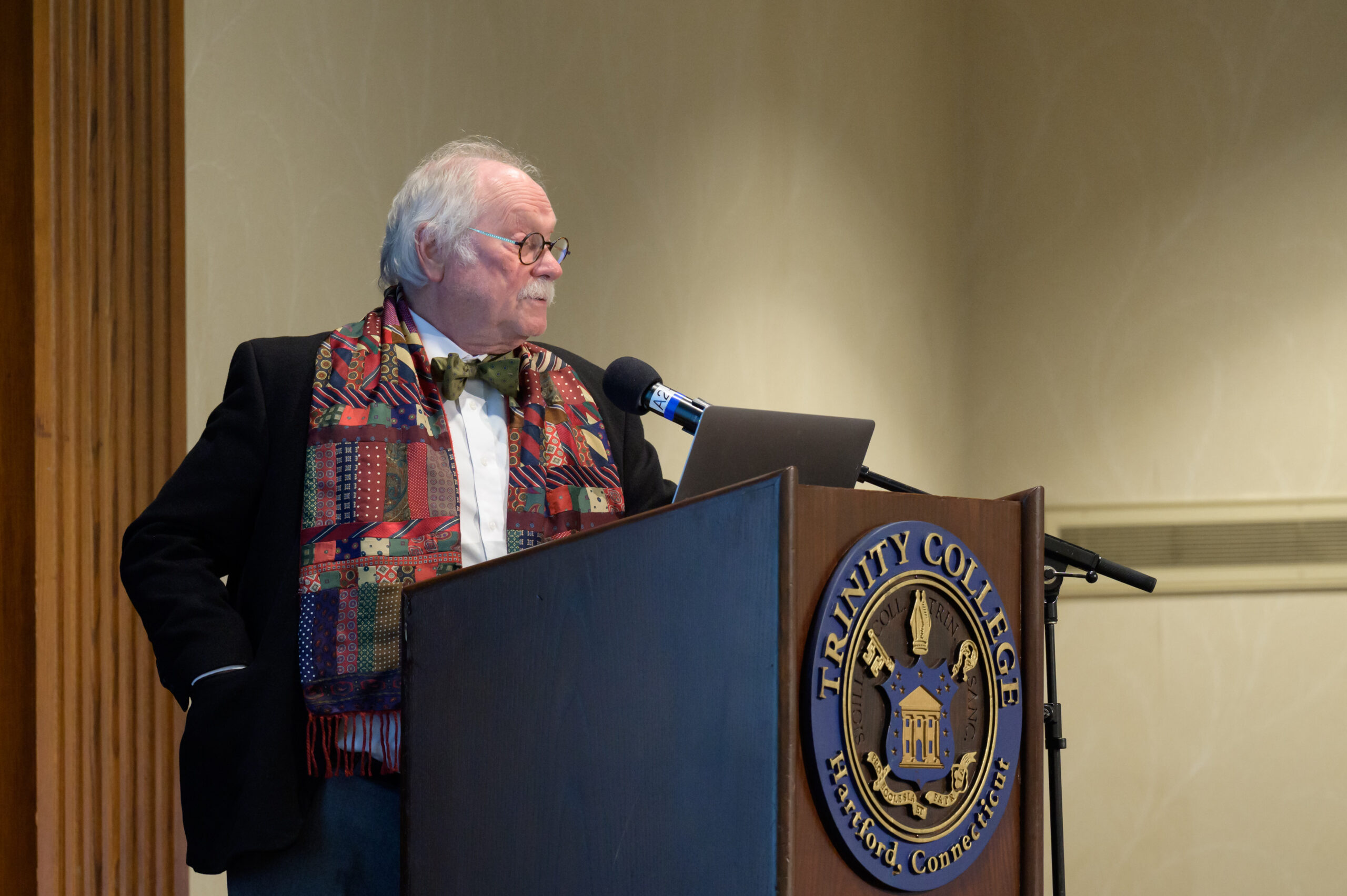
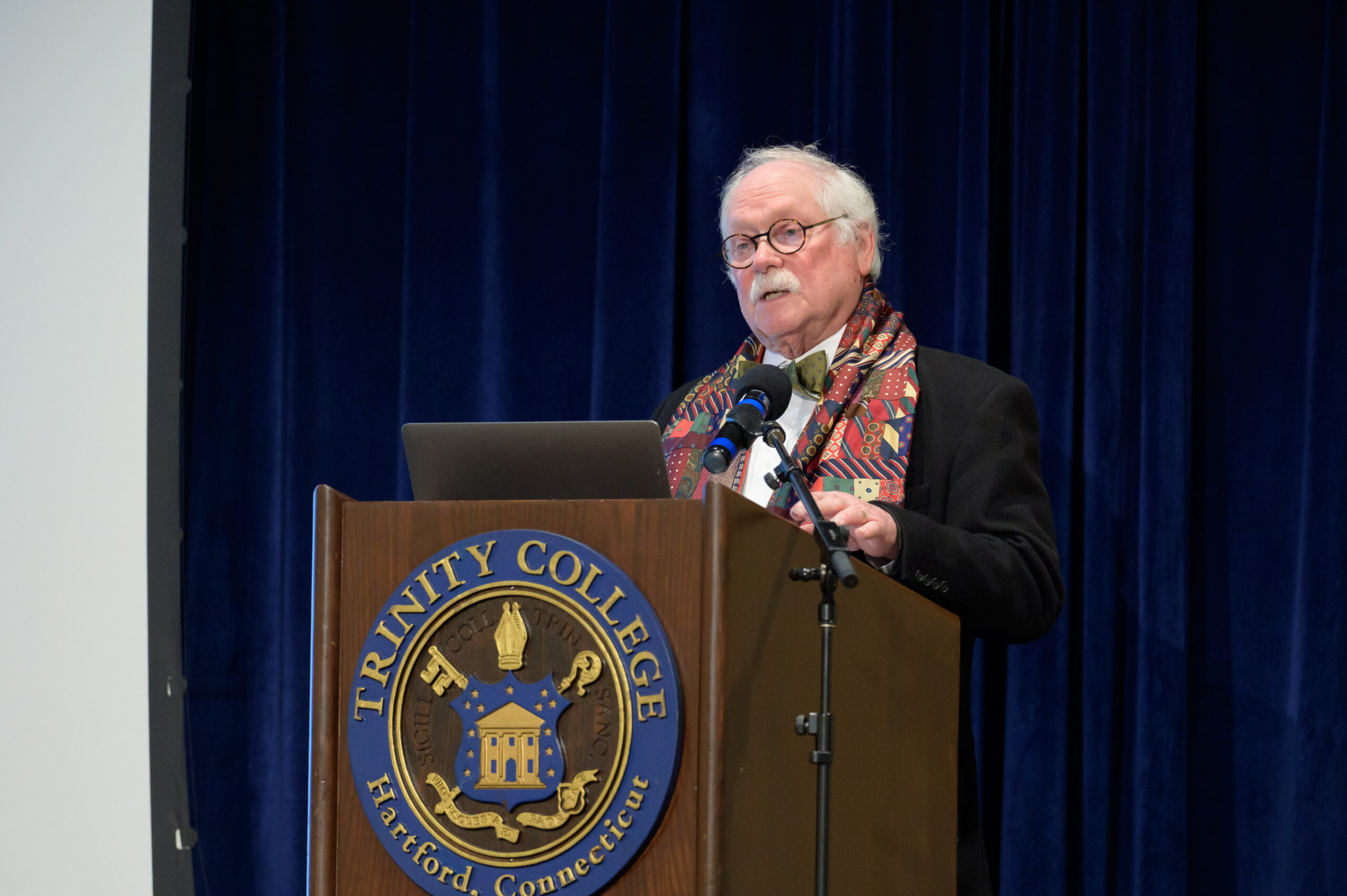
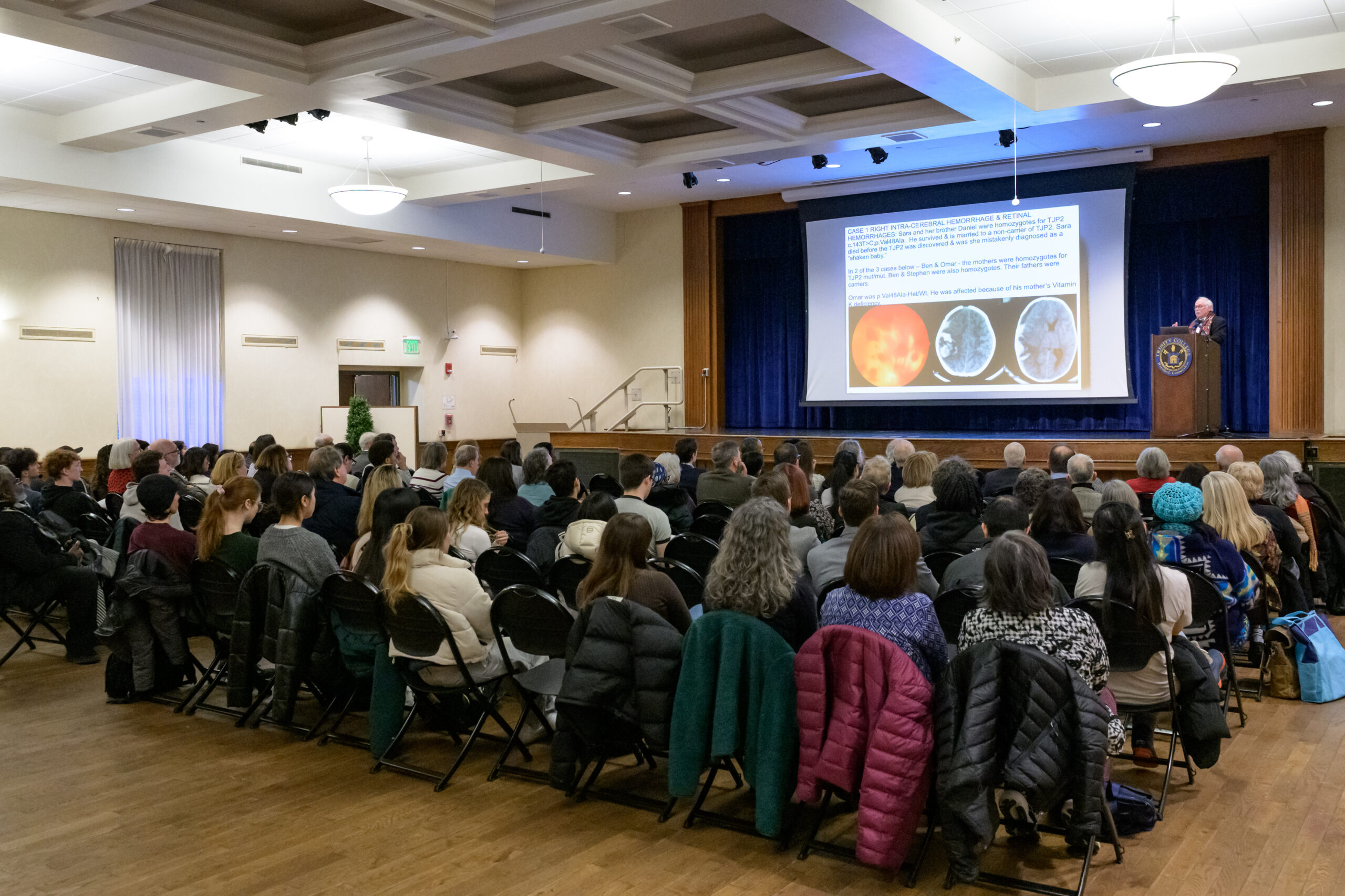
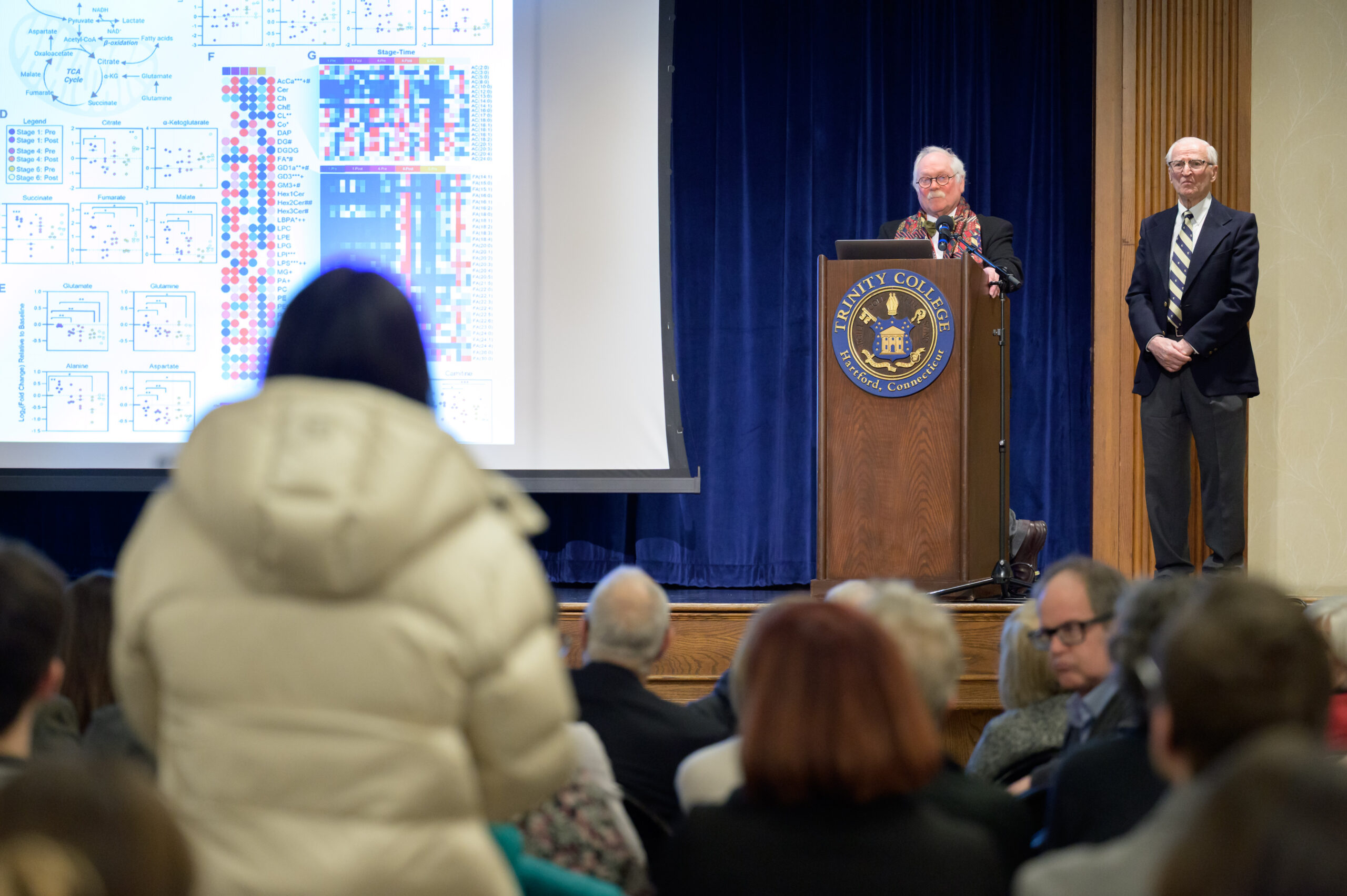
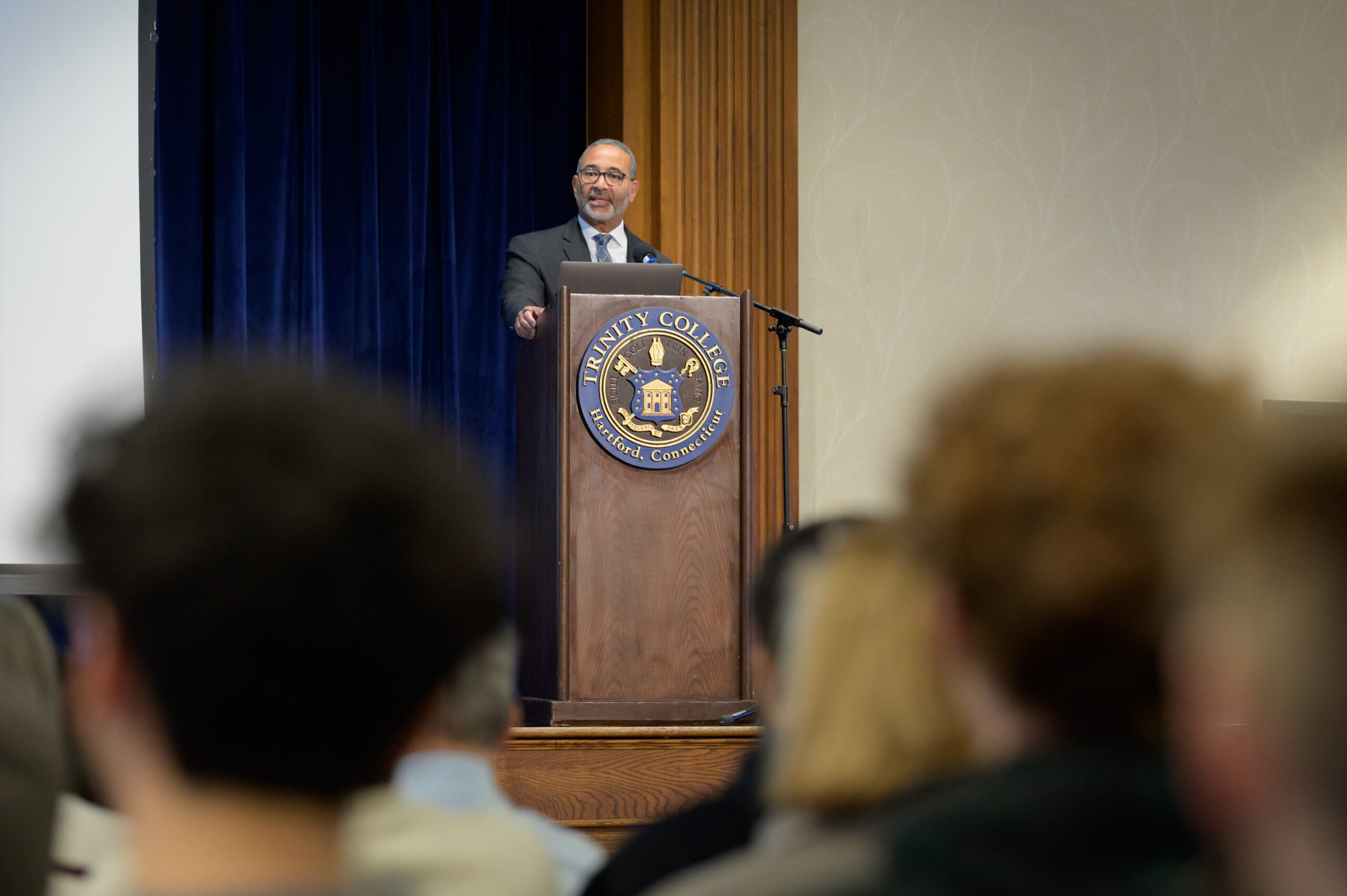
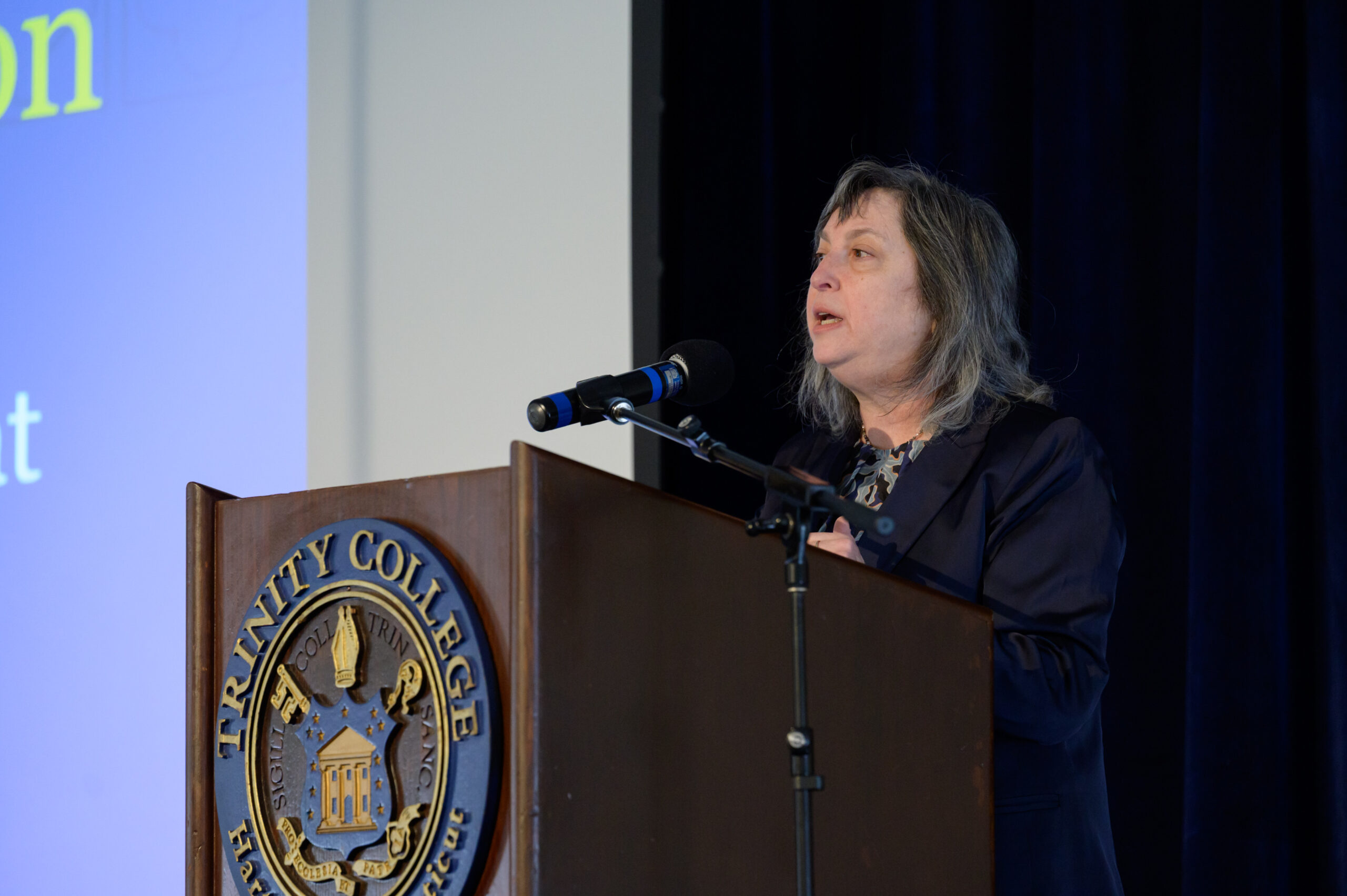
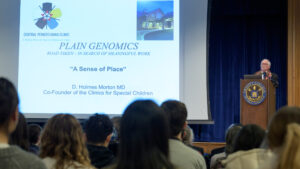
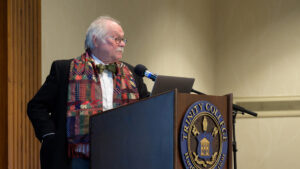
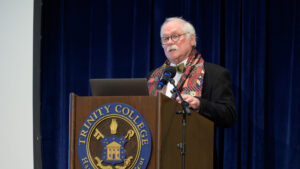
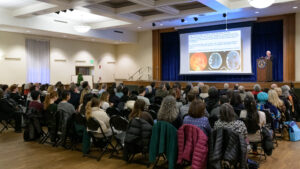
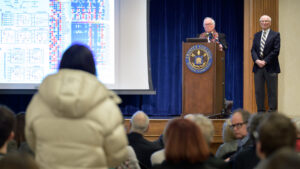
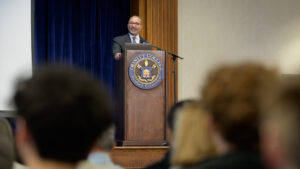
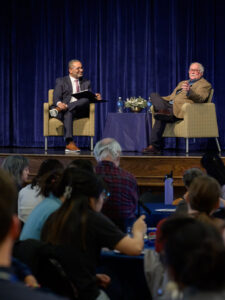
Trinity College President Dan Lugo presented Morton with the award at a ceremony on Wednesday, February 11, 2026, in the Washington Room of Mather Hall. Morton delivered the Presidential Distinguished Lecture after being introduced by Henry A. DePhillips Jr., Vernon K. Krieble Professor of Chemistry, Emeritus, who taught Morton at Trinity.
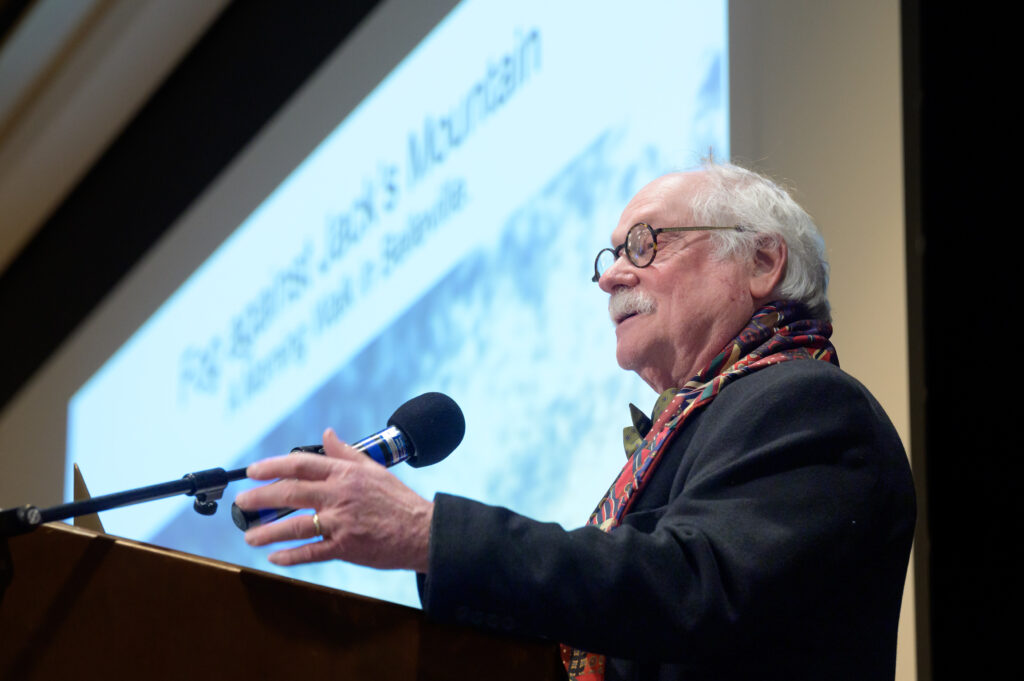
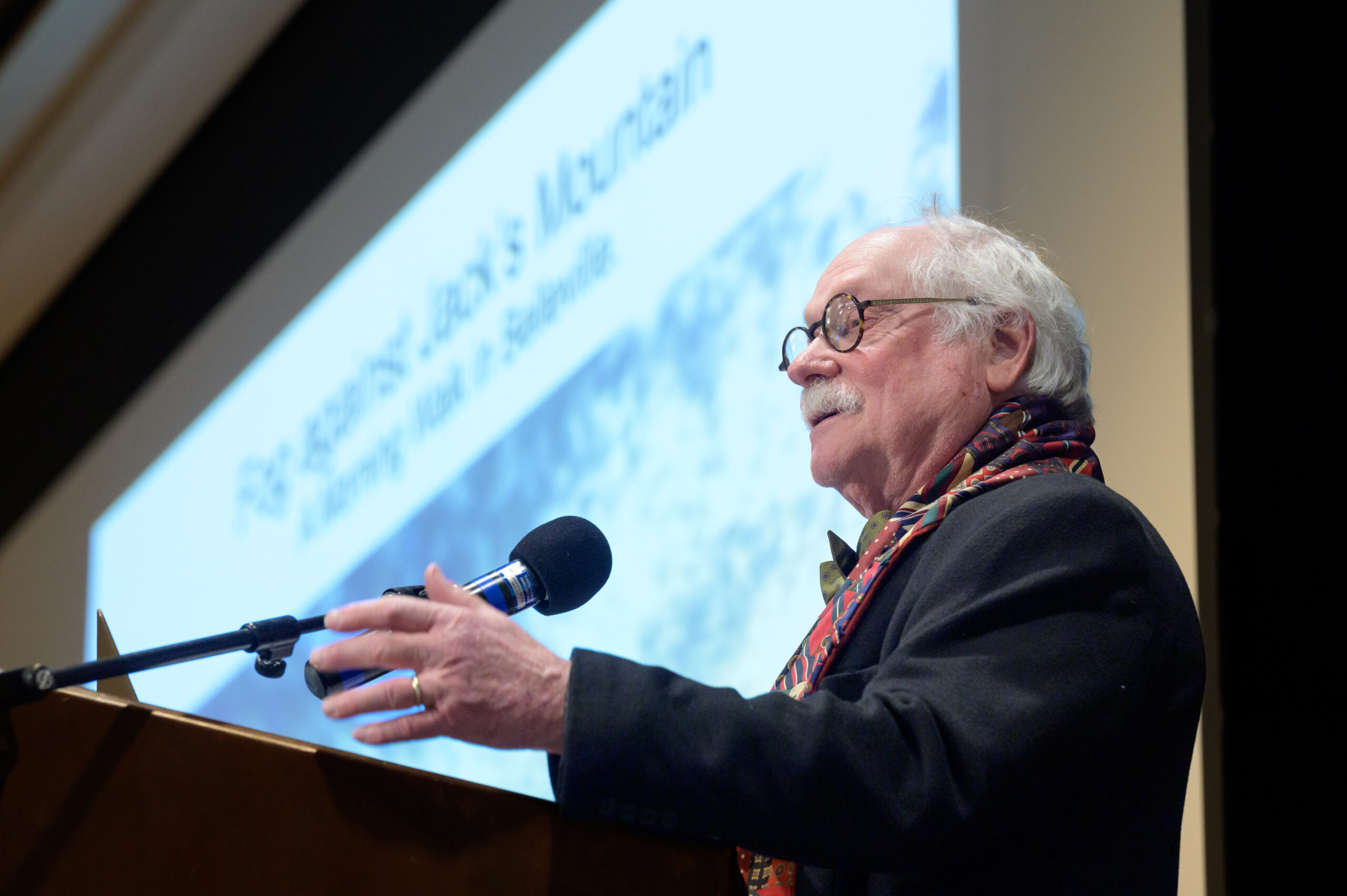
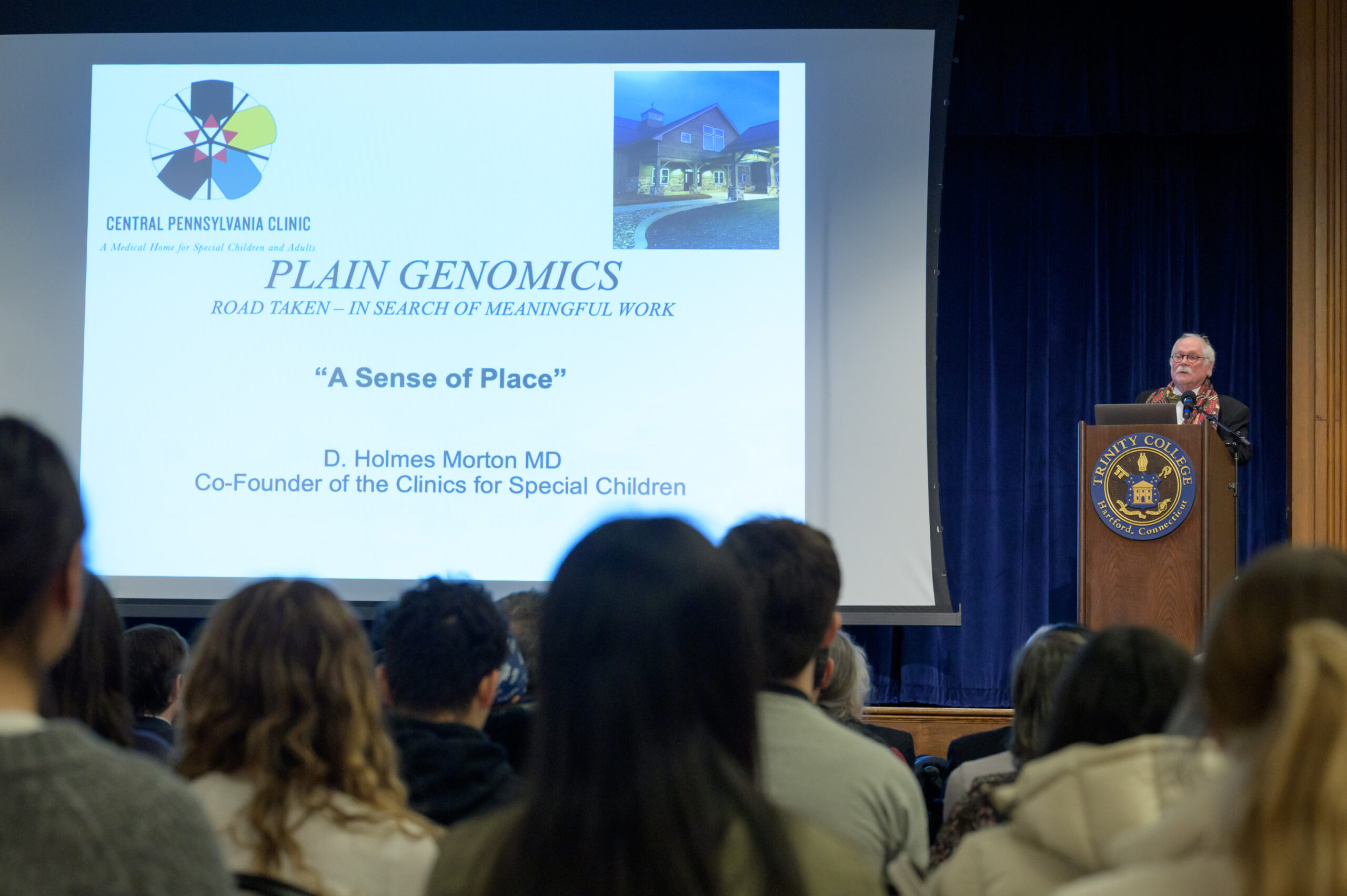
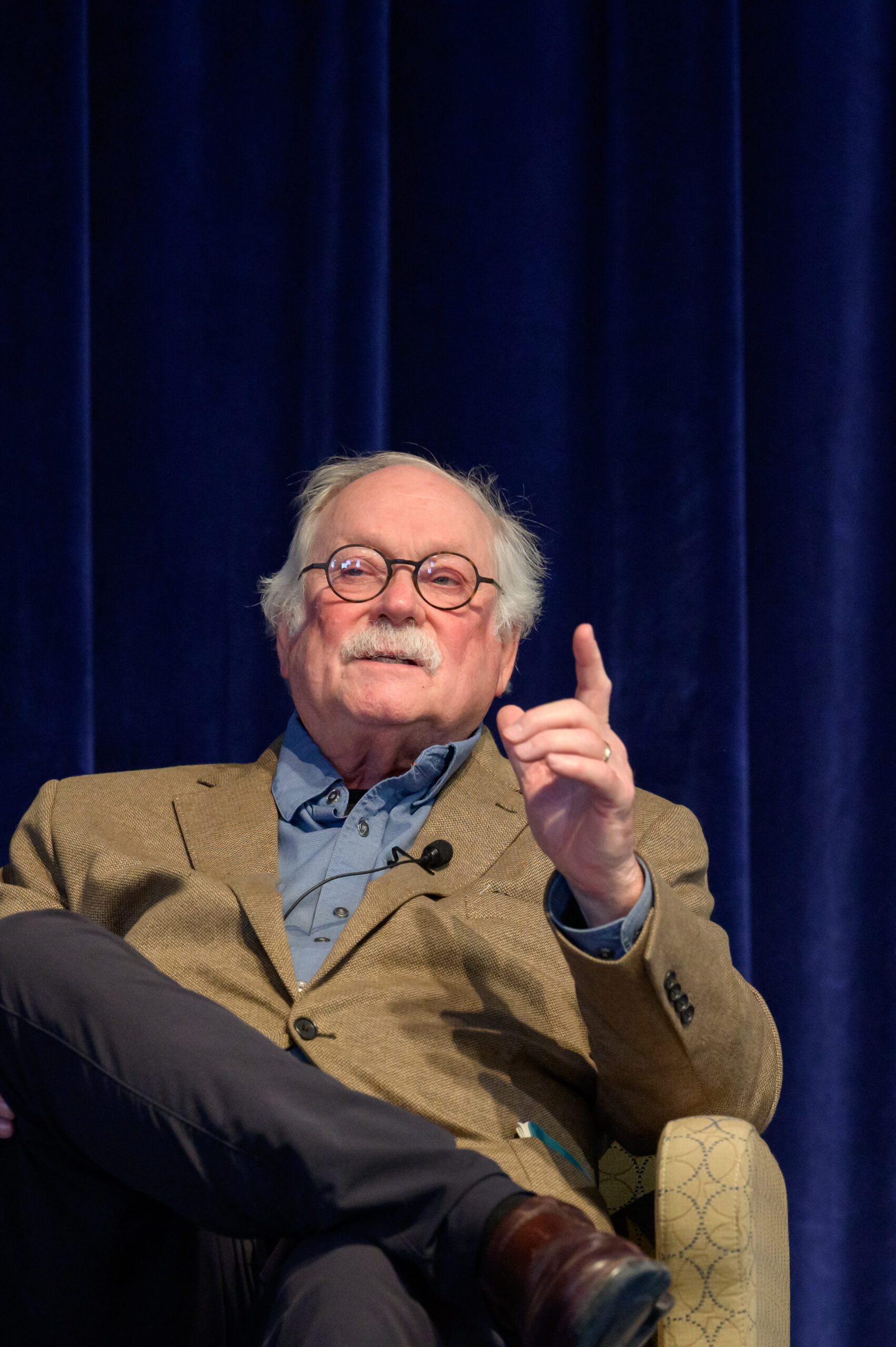
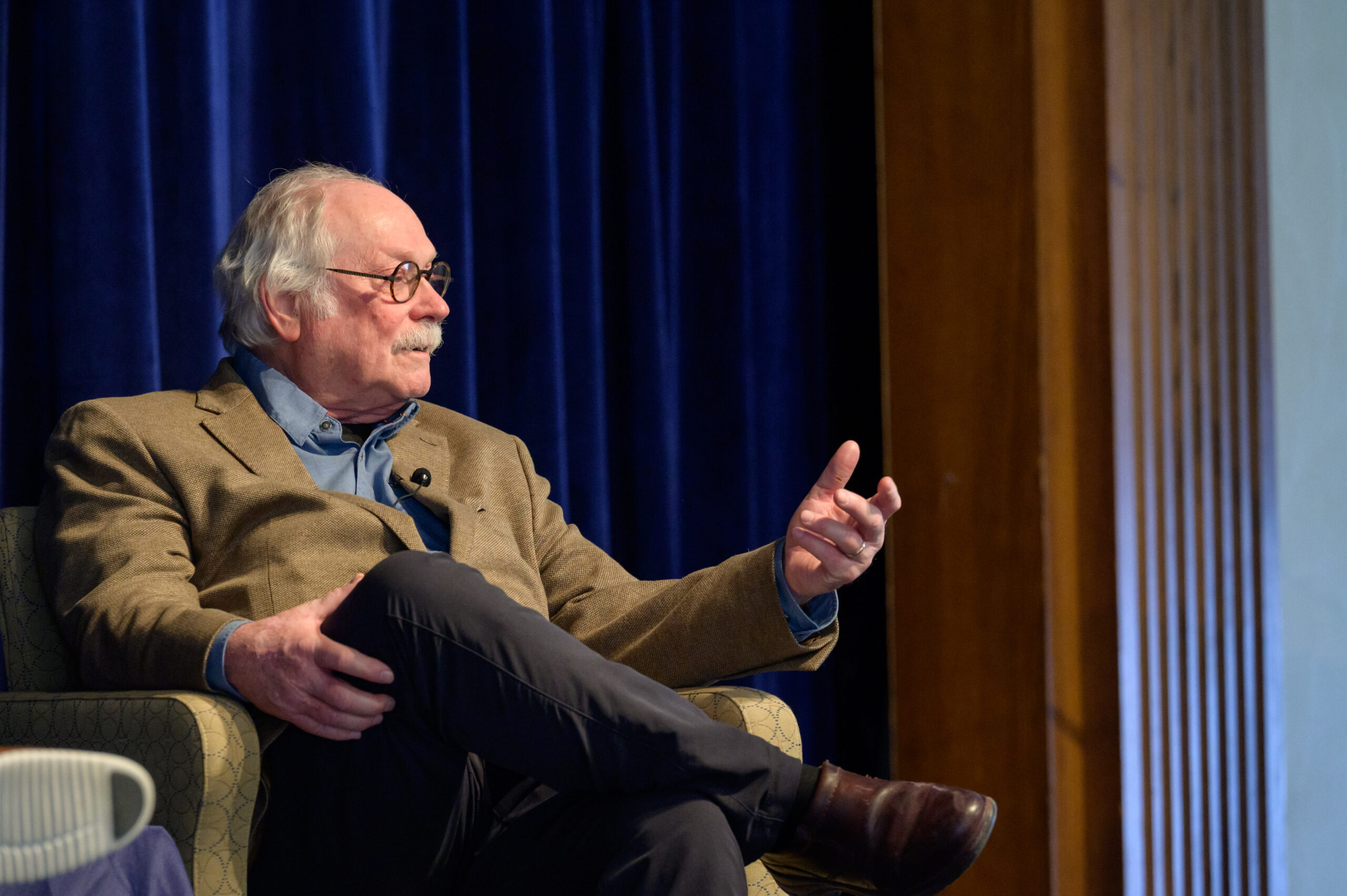
In his talk, “Plain Genomics: Road Taken—In Search of Meaningful Work,” Morton discussed his education and his career, which included founding the Clinic for Special Children in Strasburg, Pennsylvania, along with his wife in 1989. “The clinic is a place to translate the knowledge of genetics into better medical care; it is a clinic that strives to practice genomic medicine,” he said.
Morton spoke about some of the genetic diseases and disorders he has studied for decades, including Glutaric Aciduria Type 1, and about why Amish and Mennonite communities consider young patients with these diseases to be “special children.”
The alumnus said that his job also involves sharing stories about his patients and educating others about his work. “[Trinity] was a place that gave me a very valuable education, not only in the sciences but also in writing stories,” Morton said.
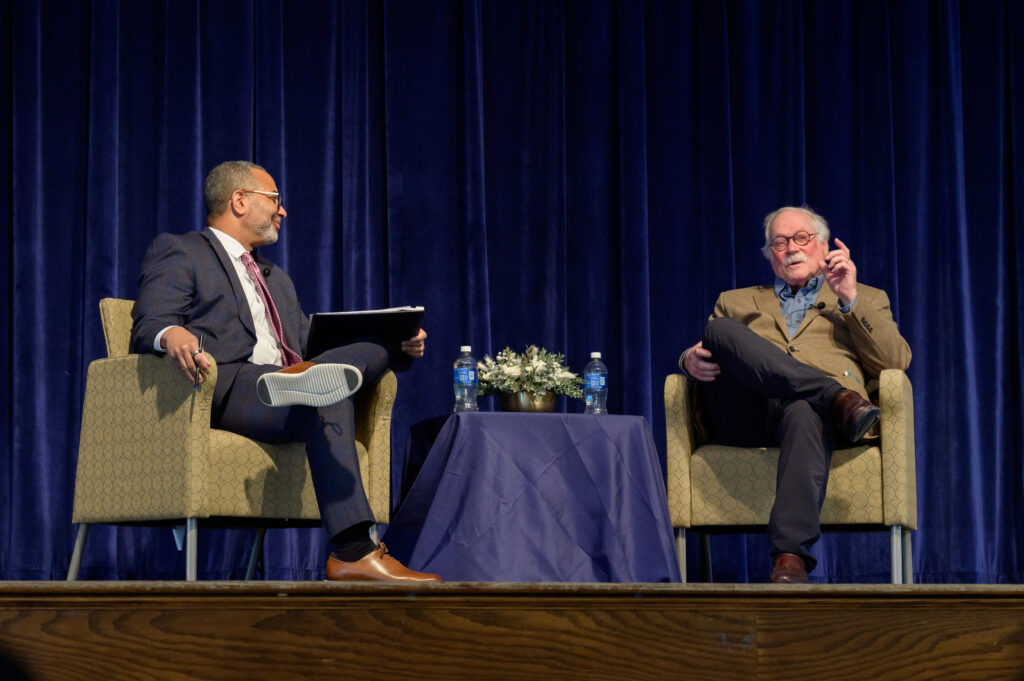
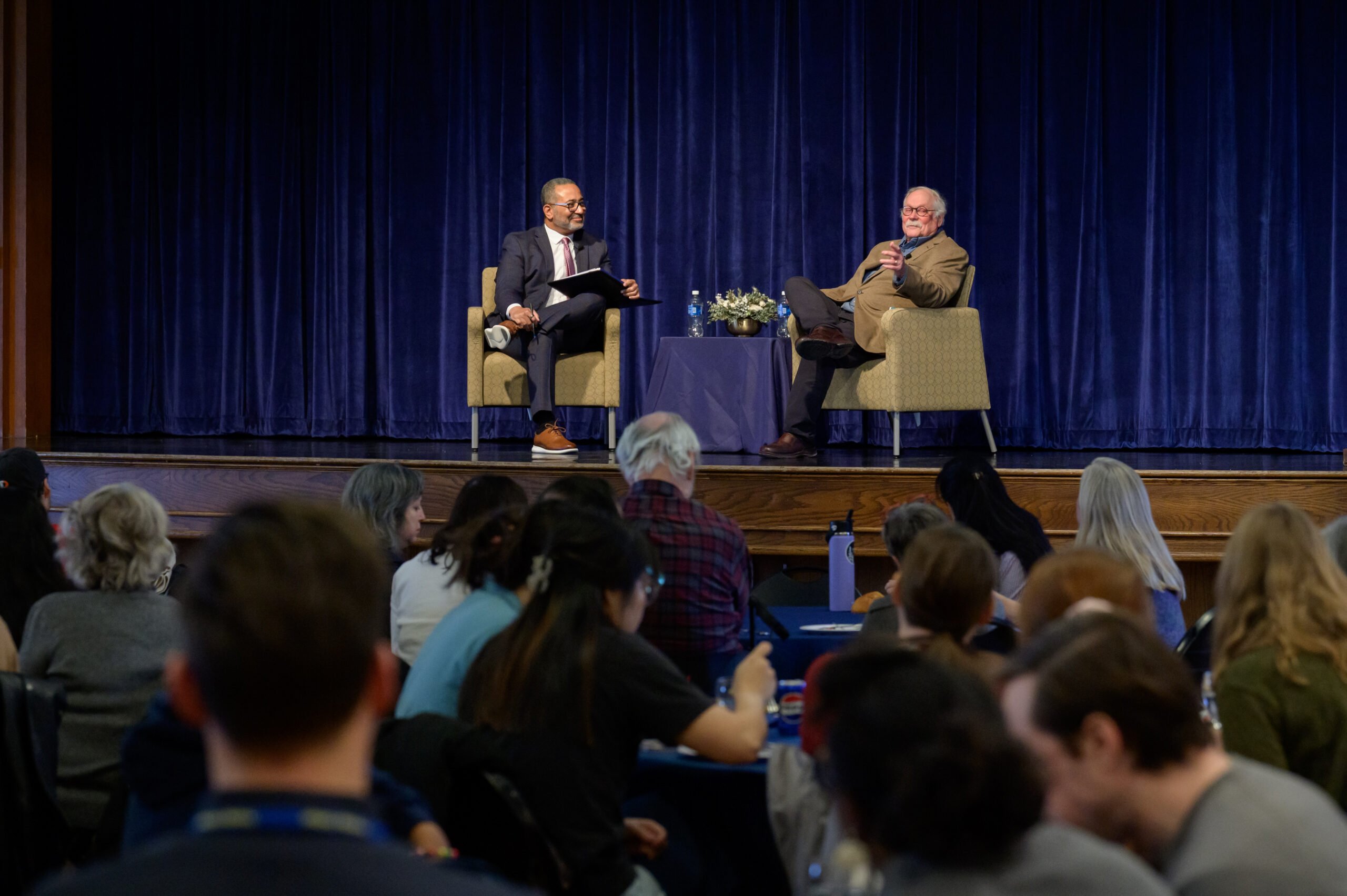
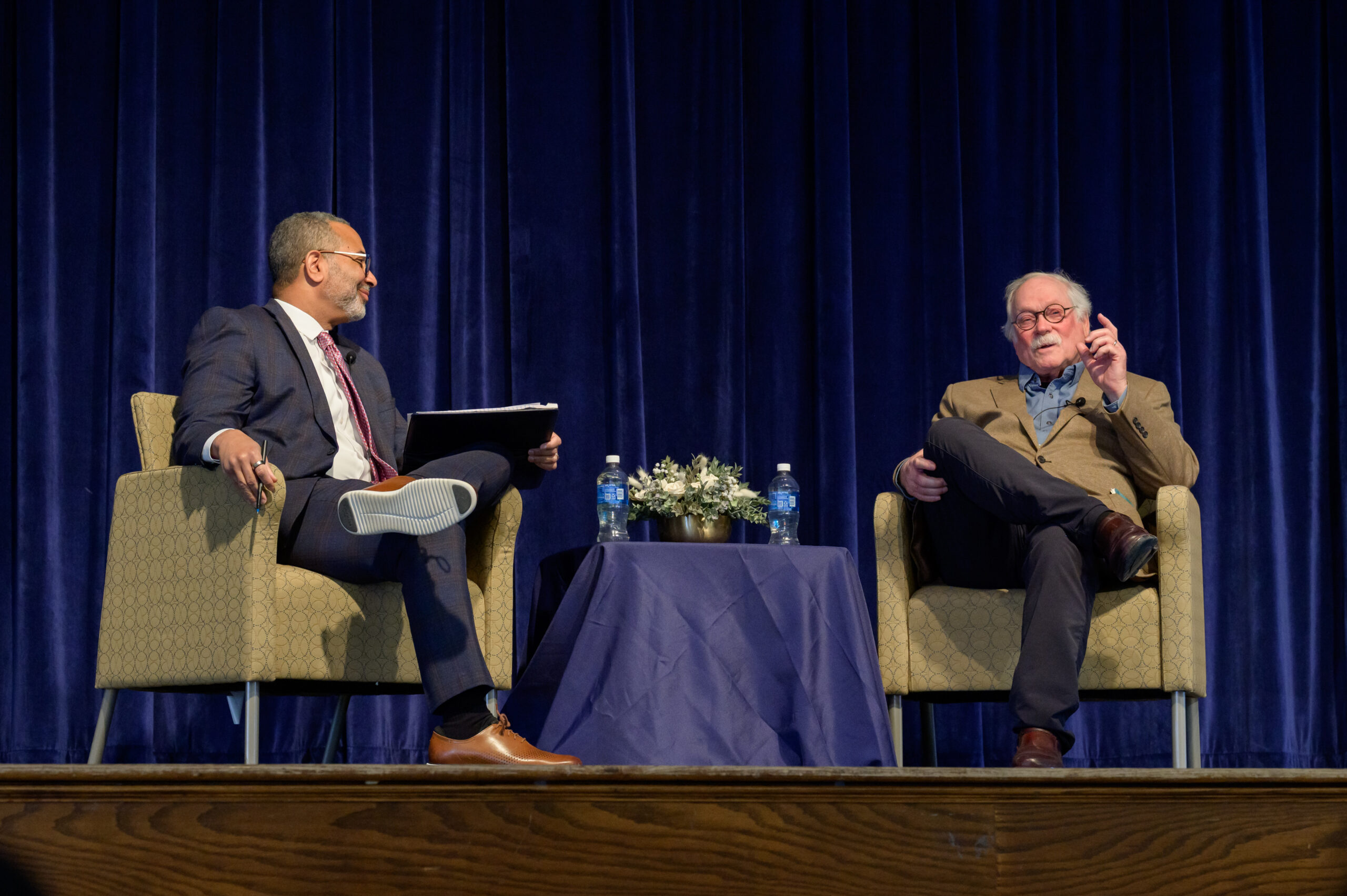
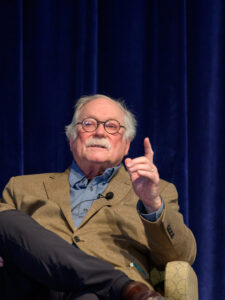
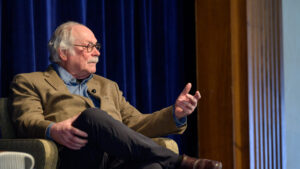
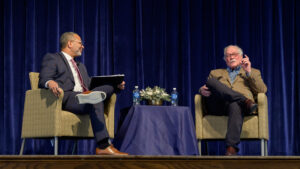
The following day, February 12, Morton joined Lugo for a fireside chat in the Washington Room, where he told the College community more about his nontraditional path to Trinity—involving a stint on an ore carrier on the Great Lakes and service in the U.S. Navy—and his time at Harvard Medical School.
Morton said he was eager to take advantage of the opportunities offered by Trinity’s Individualized Degree Program. “The process of trying to explore things that interested me and writing about them were fostered by this way of studying,” he said.
During his time in Hartford, Morton explored English, psychology, chemistry, and mathematics. He spoke highly of his mentors, including some Trinity faculty members—DePhillips and William M. Mace, professor of psychology, emeritus—who were in attendance.
While at Trinity, Morton attended a class that met at Newington Children’s Hospital and saw a patient with untreated phenylketonuria (PKU), a rare, inherited metabolic disorder. “That was one of my earliest introductions to a problem in biochemistry that I wanted to learn about,” he said.
Morton’s advice to students was, “You have the great advantage of time… Be open-minded; find your problems and study them, and find your teachers and listen to them most of the time—not all the time.”
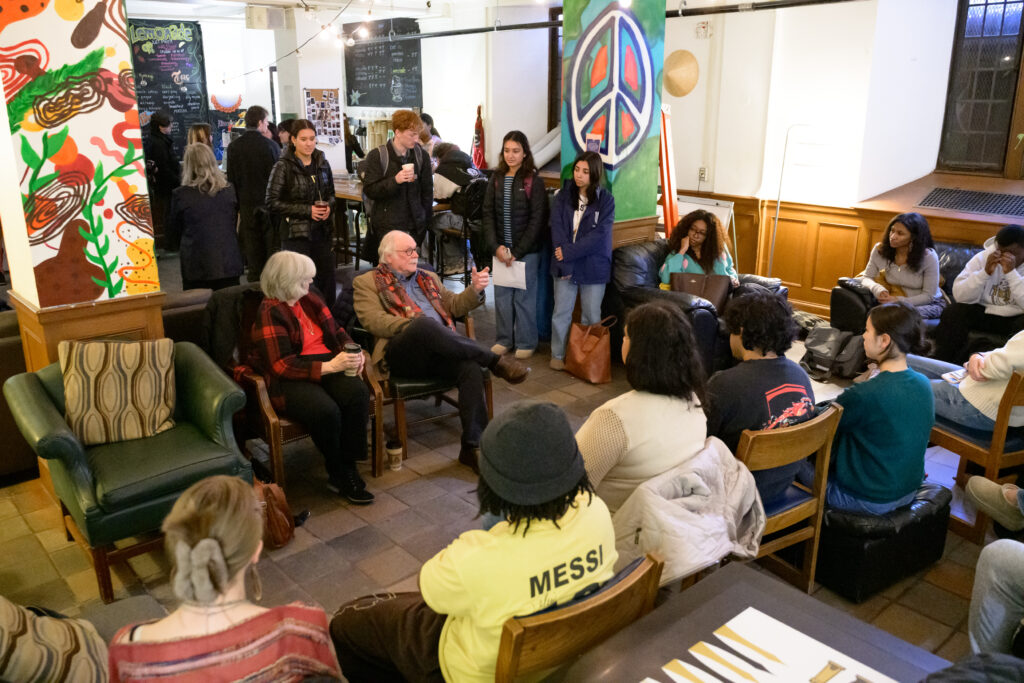
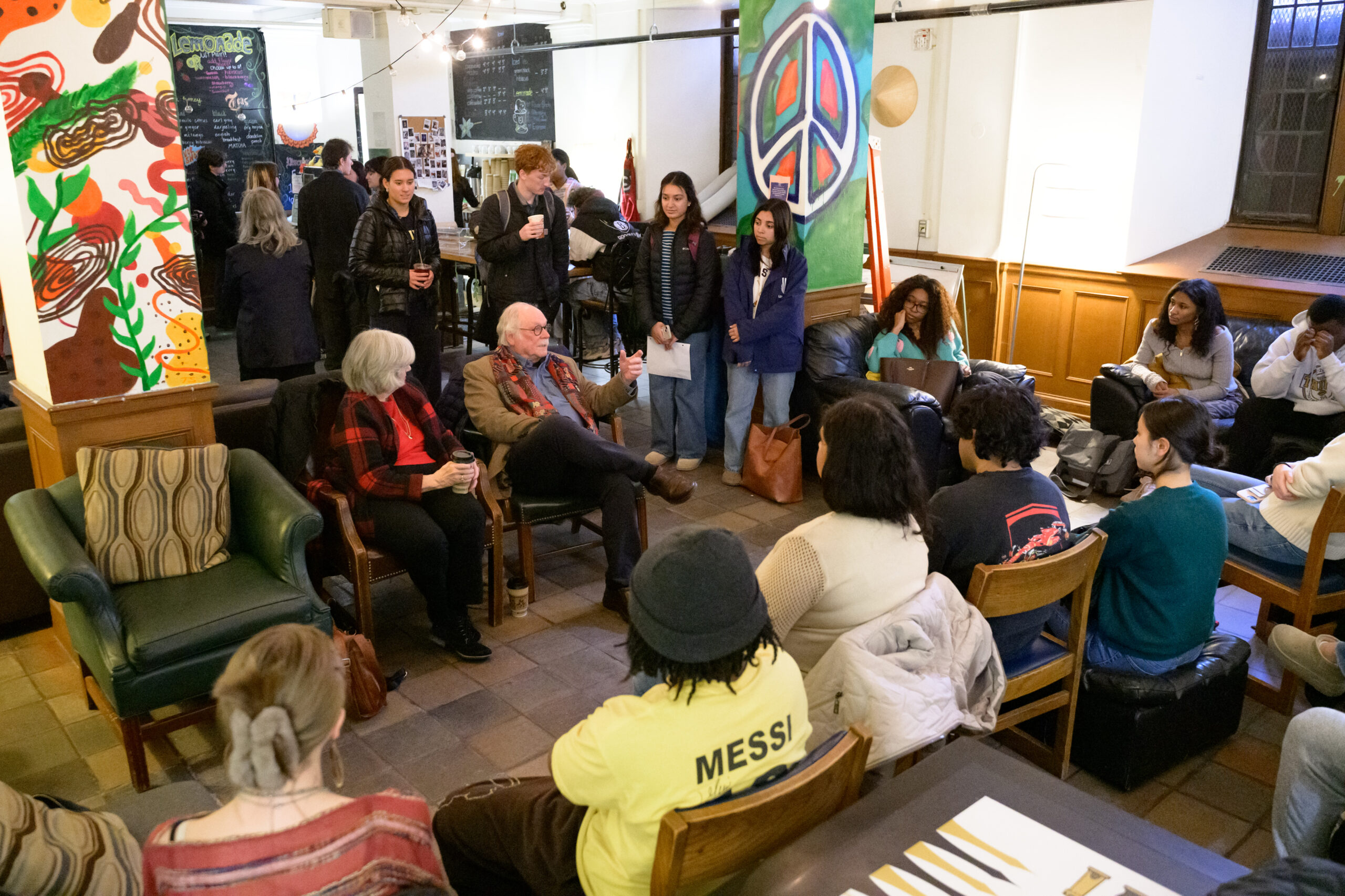
After the chat with Lugo, Morton engaged in casual conversations with students from selected classes and clubs in the Underground Coffeehouse.
Morton has published dozens of peer-reviewed research papers in journals including Pediatrics, Current Treatment Options in Neurology, Molecular Genetics and Metabolism, Brain, Journal of Pediatrics, Pediatric Transplant, Nature, and Gene Reviews.
In recognition of his work, Morton has received 10 honorary degrees—the first from Trinity College in 1990 and most recently from Juniata College in 2024—as well as the Albert Schweitzer Prize for Humanitarianism and a John D. and Catherine T. MacArthur Fellowship “genius grant.”
The President’s Medal for Science and Innovation was created by Trinity College President, Emerita, Joanne Berger-Sweeney—a neuroscientist herself—to highlight the significance of the sciences at Trinity as part of the College’s Bicentennial celebration. The award honors an individual who has gained prominence internationally in science, technology, engineering, or mathematics and who represents the liberal arts ideal of empowering humanity through the sciences. An Advisory Committee, made up mostly of prominent STEM faculty members at Trinity, leads the selection process and ultimately recommends a small pool of highly qualified candidates to the president of the College. Recipients are not necessarily graduates of Trinity but have made lasting contributions to their field.
The previous recipients of the President’s Medal for Science and Innovation were: Eric Fossum ’79, H’14, the John H. Krehbiel Sr. Professor for Emerging Technologies in the Thayer School of Engineering at Dartmouth College, where he also serves as director of Thayer’s Ph.D. Innovation Program and vice provost for entrepreneurship and technology transfer; and Kaja LeWinn ’98, professor of psychiatry and behavioral sciences at the University of California, San Francisco.
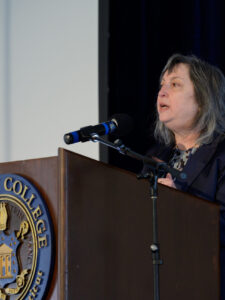
See video and photos from the events below.
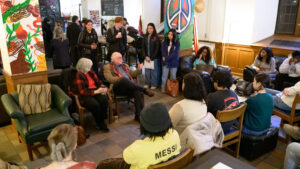
The 54th Annual North American Meeting of INS, “Neuropsychology in the Age of Innovation,” was held February 4-7, 2026, in Philadelphia.
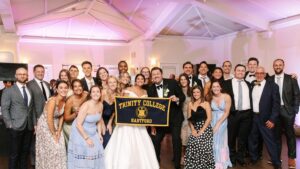
This Valentine’s Day, Trinity celebrates couples whose love stories bloomed ’neath the elms. These are just some of the relationships that began or deepened in classrooms, residence halls, and chance encounters around campus.
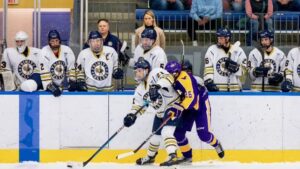
Trinity alumna hockey player and former assistant hockey coach Kim Weiss ’11 has advanced her career quickly and is now assistant coach of the Colorado Eagles, the AHL affiliate of the Colorado Avalanche. “I always knew I wanted to coach,” she said.
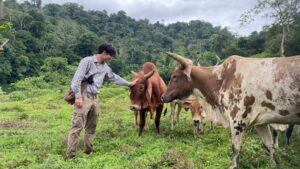
With a demonstrated commitment to human rights and global leadership, José Ginocchio Moraiz ’23 has been accepted to Schwarzman Scholars, a prestigious one-year, fully funded master’s degree program in global affairs at Tsinghua University in Beijing, China.